Energy has always formed the backbone of economic development around the world. From manufacturing processes and transport operations to the consumption of electricity, a constant flow of energy is necessary for today’s society.
But there is one thing that can be noted with absolute certainty – a revolution is taking place within the global energy industry. Although traditional energy sources like oil, gas, and coal are indispensable at the moment, alternative energy sources, energy storage technology, intelligent power grids, and innovation are reshaping the energy sector.
In the meantime, the impact of geopolitics, supply chain risks, and electricity demand will force states to rethink their energy policy for the future. Over the next decade, a number of trends will shape the development of the global energy market.
1. Renewable Energy Will Drive Future Energy Growth
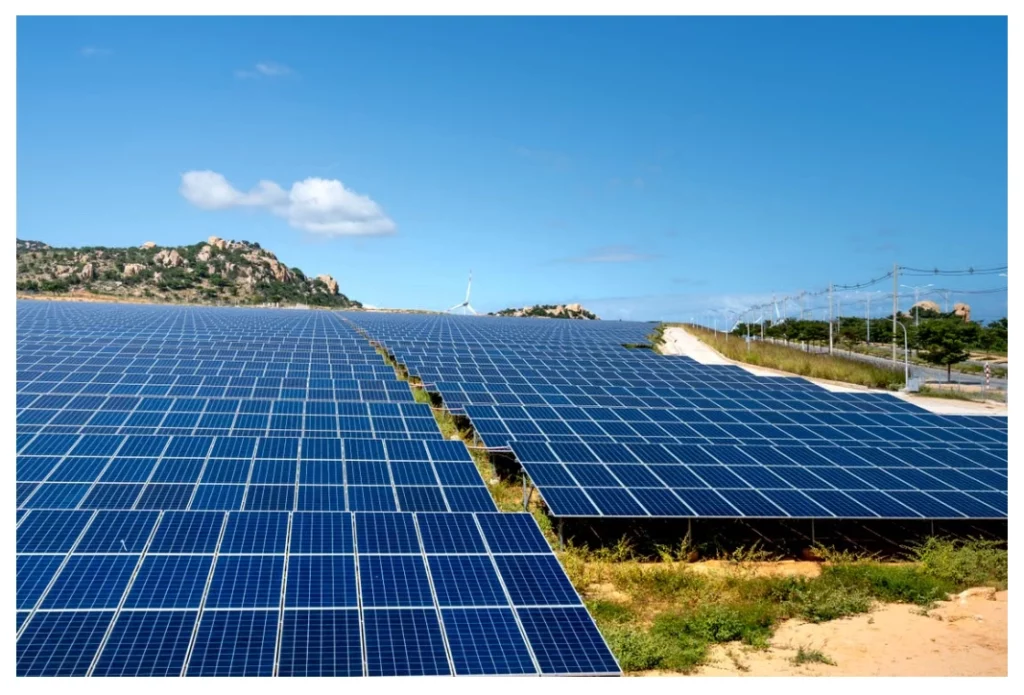
Renewable energy is now one of the fastest-growing sectors in the global energy industry due to technological advancements and the reduction in cost, which has led many nations to develop solar, wind, and hydro power plants.
Different renewable energy sources have their own advantages:
| Energy Type | Development Characteristics |
| Solar Energy | Flexible installation and wide application range |
| Wind Energy | Suitable for large-scale electricity generation |
| Hydropower | Provides stable renewable power |
| Biomass Energy | Supports specific industrial applications |
Europe is stepping up investments in offshore wind farms, several Asian countries are boosting their solar and wind energy production capacities, and some countries from the Middle East are working on renewable energy projects alongside their existing energy industries.
The future energy mix will definitely be more diverse and include a greater share of renewables.
2. Energy Security Will Become More Important
Energy security has been an important issue for many countries today.
Geopolitical developments, problems with logistics, and disruptions in supply chains have revealed that energy security is not just about resource availability but also about infrastructural development and international collaboration.
To improve energy security, many countries are focusing on:
- Diversifying energy sources
- Improving domestic energy production
- Strengthening energy infrastructure
- Building strategic reserves
- Developing regional energy cooperation
A reliable energy system will remain essential for economic stability and national development.
3. Energy Storage Will Support Renewable Development
The fast development of renewable energy also raises some problems. Solar and wind energy greatly depend on weather, which may have negative impacts on electricity.
Energy storage technology serves as a great solution since it helps to store and use the extra electricity.
| Storage Technology | Main Applications |
| Battery Storage | Grid support and backup power |
| Pumped Hydro Storage | Large-scale electricity storage |
| Hydrogen Storage | Long-term energy applications |
| Thermal Storage | Industrial energy management |
As renewable energy continues to expand, energy storage will become a key part of modern power systems.
4. Critical Resources Will Become a New Energy Focus
The energy competition of the future will not only involve oil and natural gas but also critical minerals required for new technologies.
Materials such as lithium, nickel, cobalt, and rare earth elements are essential for:
- Electric vehicle batteries
- Energy storage systems
- Renewable energy equipment
- Advanced electronic technologies
As demand for clean technologies increases, countries are paying more attention to securing stable supply chains for these important resources.
5. Smart Energy Systems Will Improve Efficiency
Digital technology is transforming the energy industry.
Smart grids, artificial intelligence, and real-time monitoring systems are helping improve energy management and reduce waste.
Future energy systems will be able to:
- Balance electricity supply and demand
- Improve grid reliability
- Optimize renewable energy use
- Increase energy efficiency
With the growth of electric vehicles, distributed energy systems, and digital infrastructure, smart energy networks will become increasingly important.
6. Emerging Markets Will Shape Future Energy Demand
Future energy demand growth will largely come from developing regions, especially in Asia, Africa, and Latin America.
Rapid urbanization, industrial development, and population growth are increasing electricity demand in these areas.
At the same time, many emerging markets have significant renewable energy potential.
| Region | Main Energy Potential |
| Africa | Solar power and wind energy |
| Southeast Asia | Hydropower and solar resources |
| South America | Hydropower and renewable energy |
| South Asia | Solar and wind development |
For many developing countries, renewable energy can provide both cleaner power and improved electricity access.
7. Traditional Energy and Renewable Energy Will Coexist
Despite the rapid expansion of renewable energy systems, fossil energy sources will still retain their significance for various sectors.
Oil and gas infrastructure, energy demands in the industry, and the requirement of energy reliability imply that fossil fuels will not be abandoned instantly.
In the future, countries are likely to adopt a balanced energy mix that includes:
- Natural gas
- Nuclear energy
- Solar power
- Wind energy
- Hydropower
- Energy storage
A diversified energy structure can help countries achieve better balance between energy security, economic growth, and environmental goals.
A Changing Energy Future
Energy systems of the future will be characterized by greater diversification, intelligence, and integration. Further development of renewable energy sources will occur alongside the increase in the reliability of power sources due to better energy storage facilities and digitalization of the process.
Nevertheless, countries will also continue developing their own ways of utilizing energy depending on resources, economic situation, and development priorities.
The future of energy cannot be understood only through substitution of one source for another; rather, it will be achieved through technological, infrastructural, and international progress.
In the coming years, the process of changing the energy sector will bring many new challenges as well as opportunities; that is why the energy sector can be considered one of the main directions of development.
0