Recently, there has been a change in the energy chain of Europe. Since there has been a significant drop in the amount of gas supplied through pipelines from Russia, Europe has resorted to using LNG and renewable sources of energy.
This helped Europe decrease its dependence on certain suppliers, yet at the same time, several challenges remained before it. The unstable prices of LNG, aged infrastructure, and energy generation influenced by weather are some of those challenges.
Thus, the primary concern of Europe is not only having enough fuel but also creating an energy system.
1. What Modifications Have Occurred in Europe’s Energy Structure?
The energy transition in Europe is characterized by natural gas import diversification and renewable electricity production.
1.1 How Did Europe Reduce Its Dependence on Russian Gas?
Russia had been one of the biggest suppliers of natural gas to the European Union before 2022. Statistics released by the European Commission revealed that the share of Russian gas imports in the EU fell from about 45% in 2021 to 15% in 2023.
Among the steps undertaken by Europe are purchasing gas from sources such as Norway, America, and others. LNG import terminals, FSRUs, and interconnectors have been built. Underground gas storage was yet another critical step that had to be taken to guard against peak winter demand. Diversified flows of gas do not make Europe safe from international price shocks.
1.2 How Important Are LNG and Renewable Energy to Europe’s Energy Mixture?
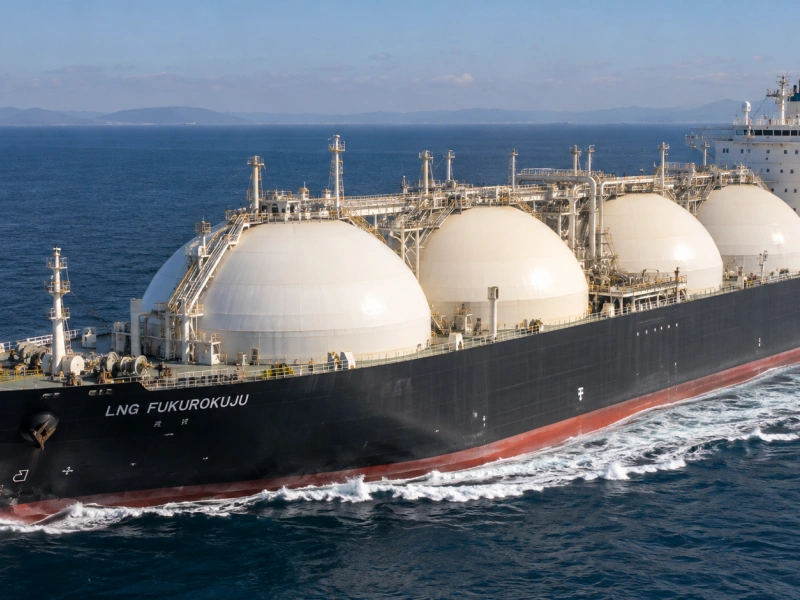
Europe can get gas through the LNG route from various international sources, but the cost will be determined by global competition and the weather conditions for transport. Wind and solar energy reduce the use of fossil fuels in electricity generation, but they are dependent on weather conditions.
| Energy Source | Main Advantage | Key Limitation |
| Pipeline Gas | Continuous large-scale delivery | Supplier and pipeline dependence |
| LNG | Flexible international sourcing | Price and shipping volatility |
| Wind Power | Low operating emissions | Variable wind conditions |
| Solar Power | Distributed generation potential | No direct nighttime output |
| Nuclear Power | Reliable low-carbon electricity | Maintenance and investment requirements |
Energy diversification helps secure supply only where infrastructure allows for shifting patterns of supply.
2. Why is there continued long-term instability in Europe’s energy supply?
The weaknesses of Europe are becoming increasingly linked to global competition for fuels and the discrepancy between renewable energy growth and electricity network construction.
2.1 Can LNG Imports Create New Energy Security Risks?
More imports of LNG mean less dependence on some pipelines but greater dependence on the global gas market. If there is higher demand for gas in Asia, then European consumers will have to face more competition for the rest of the cargo.
The delivery of LNG involves the operation of liquefaction plants, specialized ships, receiving terminals, and regasification stations. Even slight price increases may result in huge expenses. For example, a country importing 10 billion cubic meters of natural gas annually will incur additional costs of €1 billion annually in case prices increase by €0.10 per cubic meter.
2.2 What makes renewable energy and power grid limitations a problem?
Although there is growth in both wind and solar, the system needs to ensure balance between supply and demand at all times.
Let us take an example of a particular region that has a maximum demand of 50 GW of power generation. The problem arises when the production from the wind is 10 GW short of expectations. That means that the electricity generation from other sources will have to make up for the shortage. There is a case of grid congestion too where the renewable energy project might get developed before the network to deliver the electricity.
European countries also face different structural problems:
| Country | Energy Characteristics | Long-Term Challenge |
| Germany | High industrial consumption and renewable energy generation | Increased grid capacity and flexibility |
| Italy | Significant natural gas use in power generation | International gas prices |
| France | Strong reliance on nuclear electricity | Reactor maintenance and availability |
| Poland | Ongoing transition away from coal | Investment and grid modernization |
These differences make a single energy strategy unsuitable for every European country.
3. How can Europe ensure energy security for itself in the future?
Long-term energy security needs proper investment in infrastructure, flexible sources of electricity, and efficient use.
3.1 Can Energy Storage and Grid Modernization Improve Stability?
Batteries can take up energy when there is an abundance and discharge energy during periods of high demand. They help in short-term balancing, frequency regulation, and peaking services. But most traditional battery systems have been designed for short hours of energy storage rather than long-term shortages that last for days and even weeks.
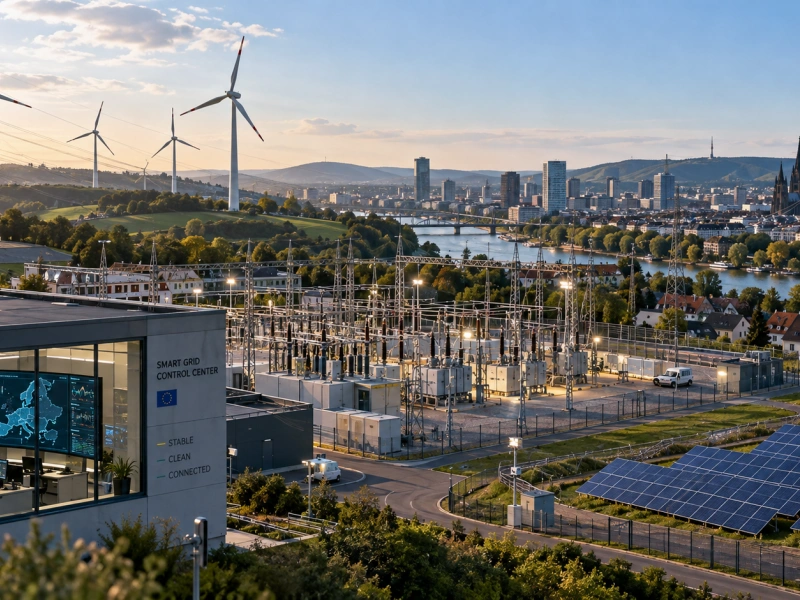
Thus, Europe requires a mix of battery storage, pumped hydro, flexible generation, demand response, and interconnections between different countries for its electricity systems. Smart grids can be used to better predict demand and integrate distributed energy sources into the grid.
3.2 What Policies Could Enhance Energy Security for Europe?
Four priorities could improve Europe’s resilience:
Diverse Energy Suppliers
Ensure that there are different sources of gas and means for transporting it to minimize disruption.
Upgrading Grid Systems
Hasten upgrading efforts both domestically and across borders to distribute energy.
Energy Efficiency
Update industrial machinery and heating facilities to ensure no energy is wasted.
Flexible Energy Systems
Integrate storage, demand response, dispatchable power generation, and low-carbon electricity to respond to any energy disruptions.
All these actions have to be taken with consideration of different energy compositions, capacity, and demand.
Conclusion
Indeed, Europe has managed to increase its energy security through diversifying its natural gas supplies, building LNG facilities, and using renewable energy sources. Nevertheless, there are certain issues arising from the world oil market situation, transmission system constraints, renewable energy source instability, and national policies, which need to be taken into account in the context of ensuring Europe’s energy security. The problem of securing energy supply for the future cannot be solved by itself. It should also include such things as transporting electricity and setting a proper price balance between supply and demand.
0