Energy security has emerged as a vital issue for many nations around the globe owing to continued changes in the energy map of the world. Historically, the development of energy has been based on enhancing production and meeting the growing demand for energy. However, nowadays nations have to take into account not only the above issues but also the risks along the energy chains, the changing geopolitical situation, the growing demands for energy, and a move towards clean energy.
With economic reliance on the stable flow of electricity, energy security has moved beyond mere access to energy resources to the establishment of flexible and sustainable energy systems.
Renewable energy sources and energy storage technologies are among innovative solutions.
Why Energy Security Matters Today
Energy security has become an important question for a number of countries throughout the world because of ongoing changes in the energy map of the planet. Traditionally, the process of energy development has relied upon the increase in energy production and consumption. Today, however, countries not only need to consider the above factors but also to assess risks associated with the energy chains, geopolitical changes, rising needs for energy, and the transition to cleaner energy.
Due to the dependence of the economy on electricity, energy security is no longer an issue of energy resource availability but also the creation of a flexible and sustainable energy system.
Renewable energy sources and energy storage are examples of innovations in this area.
Countries Are Diversifying Their Energy Strategies
Different regions are adopting unique energy strategies based on their natural resources, economic conditions, and development goals. While some countries focus on renewable energy expansion, others are improving energy infrastructure or developing new supply channels.
| Region | Energy Challenges | Main Development Focus |
| Europe | Energy supply dependence and market uncertainty | Renewable energy, energy efficiency, and supply diversification |
| Asia | Rapidly growing electricity demand | Solar, wind power, nuclear energy, and grid development |
| North America | Aging infrastructure and increasing demand | Grid modernization and cleaner energy technologies |
| Middle East | Heavy reliance on traditional energy resources | Renewable projects and energy diversification |
Europe: Improving Energy Independence
Europe is stepping up its efforts towards creating an energy mix that is more diverse. Many countries have made investments in projects related to renewable energy like wind and solar in recent years, and at the same time they have worked on making energy use more efficient both in industry and by households.
Energy storage systems and modernized electrical grids are some other aspects of the energy policy in Europe.
Asia: Balancing Growth and Sustainability
Asia is one of the fastest-growing energy markets in the world. The demand for energy is growing due to fast industrialization and urbanization, and countries need to boost their energy generation capacities while meeting environmental concerns.
The development of renewable energy generation is among the priorities of many Asian countries. Solar and wind energy are the sources that are being used most. However, the development of energy distribution systems and energy storage becomes very important.
Middle East: Moving Toward Energy Diversification
The Middle East has historically been characterized by a huge abundance of oil and natural gas resources. However, there is a trend among countries in this part of the world to explore different energy sources as means of diversifying their energy sources.
Solar and other forms of renewable energy sources are increasingly becoming significant due to this trend.
The Growing Role of Renewable Energy and Storage
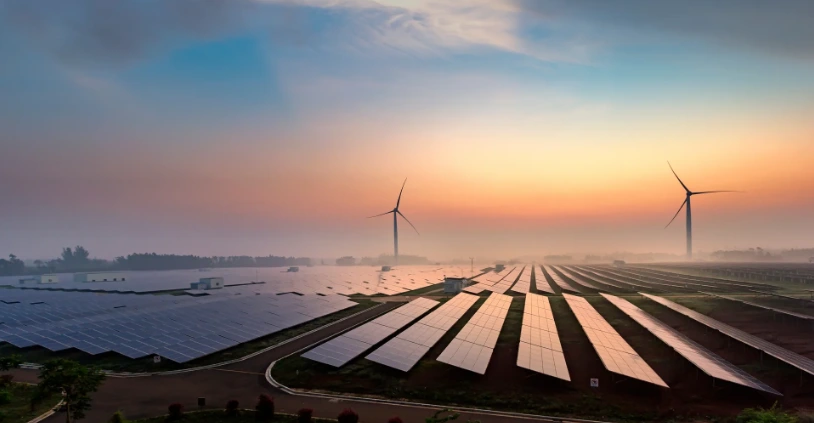
Renewable energy has been incorporated into global energy policies. Solar energy, wind energy, and other forms of energy that do not involve fossil fuels can help in achieving sustainable energy supply and reducing reliance on nonrenewable sources of energy.
Renewable energy, however, presents its own problems. Solar and wind energy generation varies according to weather conditions, and energy storage becomes an important technology in ensuring stability in the energy distribution process.
Through the use of storage systems, excess energy produced from renewable sources during times of surplus can be stored and supplied at the time of increased demand for energy. This makes energy generation and utilization reliable.
Other than large-scale energy generation, distributed energy systems have also become popular.
The Future of Global Energy Security
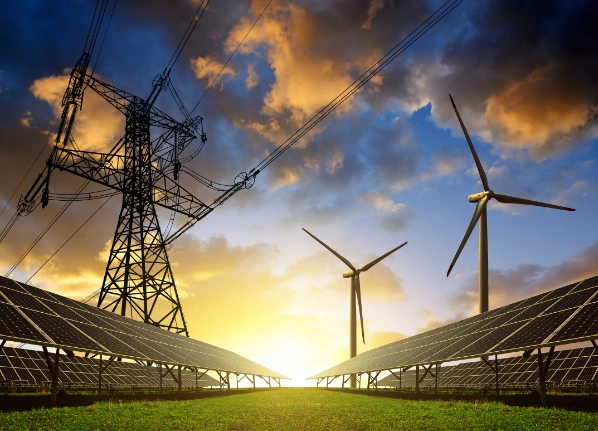
The future of energy security will depend on creating more flexible and diversified energy systems. Countries are expected to continue investing in renewable energy, energy storage, smart grids, and digital technologies.
Several trends will shape future energy development:
Diversified Energy Sources
Countries will increasingly combine traditional energy resources with renewable solutions to improve supply stability.
Smarter Energy Management
Digital technologies will help monitor energy consumption, optimize power distribution, and improve overall efficiency.
More Resilient Energy Infrastructure
Modern grids and distributed energy systems will provide greater flexibility in responding to changing energy needs.
Conclusion
A new era for energy security is about to emerge. Even though conventional energy sources will continue to serve the needs of global society, renewables, energy storage methods, and improvements in infrastructure will gain ever-growing prominence in the process of developing dependable energy systems.
In light of new approaches to energy policy adopted by various countries, the emphasis will gradually shift from increasing energy output towards the development of a more resilient, efficient, and sustainable energy grid.
0