The traditional forms of energy like coal, oil, and natural gas have provided energy for industrial uses in the world for more than a century now. Although they have proven to be consistent sources of energy, issues like pollution, depletion, and energy security have brought about significant changes in the world’s energy system.
The significance of renewable energy sources like solar energy, wind energy, hydro energy, geothermal energy, and biomass energy has gained significance with the development of technology and the decrease in the cost of production of renewable energy sources. The transition towards renewable energy is not only important for protecting the environment, but also equally significant for the economy.
From the data on the consumption of energy in the world, it is evident that renewable energy sources have outperformed traditional energy sources and become the main sources of capacity in energy generation, while traditional energy sources remain significant in providing energy in the world.
Renewable Energy and Traditional Energy: Key Differences
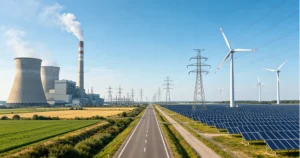
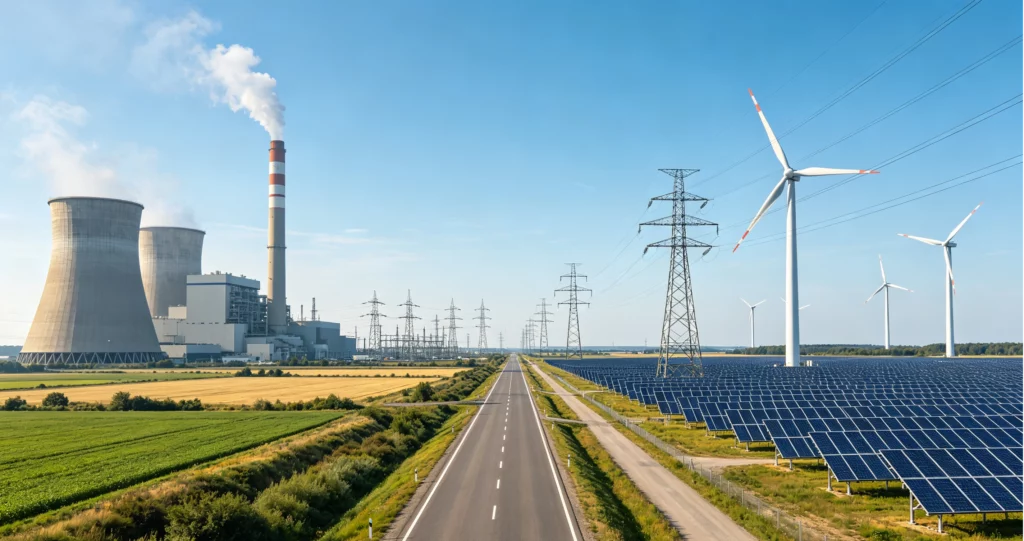
The primary difference between renewable and traditional energy lies in resource availability, environmental impact, and system structure.
| Energy Type | Main Sources | Advantages | Challenges |
| Renewable Energy | Solar, wind, hydro, geothermal, biomass | Low emissions, sustainable resources, falling costs | Weather dependency, storage needs, grid upgrades |
| Traditional Energy | Coal, oil, natural gas | Reliable supply, mature infrastructure, high energy density | Carbon emissions, resource limitations, price fluctuations |
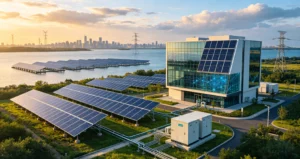
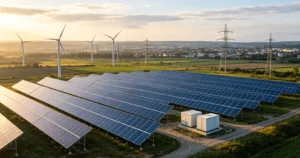
Traditional energy systems usually rely on centralized power plants, while renewable energy enables more flexible models, including large-scale solar farms, wind projects, and distributed energy systems.
1. Renewable Energy Growth Is Accelerating
The renewable energy sector has grown exponentially owing to technological development and investment by governments. Solar and wind power have been some of the rapidly growing sources of electrical energy in the contemporary world.
Solar photovoltaics have registered tremendous cost savings in the past decade. This has made renewable energy compete favorably with conventional sources of energy.
Several factors are driving renewable energy development:
- Technological cost reduction: The cost of solar panels and batteries continues to fall with increased production capacity.
- Need for energy security: Nations are building renewable energy generation capacity to decrease their reliance on fuel imports.
- Increase in energy consumption: Electric vehicles and the growth of information technology infrastructure have boosted energy consumption.
2. Traditional Energy Is Adapting to the Transition
While there has been progress in the field of renewable energy, it does not mean that conventional sources have no significance in the global energy market. Coal, oil, and natural gas are still used as reliable sources of energy.
Instead of disappearing, traditional energy industries are changing through:
- Improved energy efficiency technologies
- Cleaner production methods
- Carbon capture and storage (CCS)
- Integration with renewable energy systems
Natural gas, for example, is often used as a flexible power source because it can quickly adjust electricity output when renewable generation from solar or wind changes.
3. Energy Storage Is Changing Renewable Power
One of the most pressing issues related to renewable energy is the inconsistency of its supply. Solar energy relies on sunshine, whereas wind energy is influenced by weather conditions. Energy storage systems have emerged as a solution to this issue.
| Storage Technology | Main Application | Advantages |
| Lithium-ion Batteries | Grid storage, electric vehicles, home systems | High efficiency and fast response |
| Flow Batteries | Large-scale storage | Long service life |
| Pumped Hydro Storage | Utility projects | Large capacity and stable operation |
Smart grid technology is also improving energy management by allowing electricity to flow between multiple sources, including renewable projects, energy storage systems, and residential power generation.
4. Economic Changes in the Energy Industry
The energy market is gradually shifting from fuel-based economics to technology-driven development.
Traditional energy costs are mainly affected by:
- Fuel prices
- Mining and extraction costs
- International market conditions
- Transportation systems
Renewable energy development depends more on:
- Manufacturing efficiency
- Technology improvements
- Storage solutions
- Digital energy management
This transition is creating new industries in solar manufacturing, battery production, electric vehicles, and smart energy infrastructure.
5. Environmental Factors Are Accelerating Change
The reduction of greenhouse gas emissions is one of the key factors that have made renewable energy popular. Emissions of greenhouse gas emissions come from the burning of fossil fuels, which leads companies and governments to invest in energy sources.
The use of renewable sources is critical for cutting emissions, as the production of electricity using such sources as solar panels and wind turbines does not require burning fuel.
Nonetheless, there are certain challenges with respect to renewables, as the creation of solar panels, wind turbines, and batteries requires rare minerals such as lithium and copper.
The Future Energy Mix
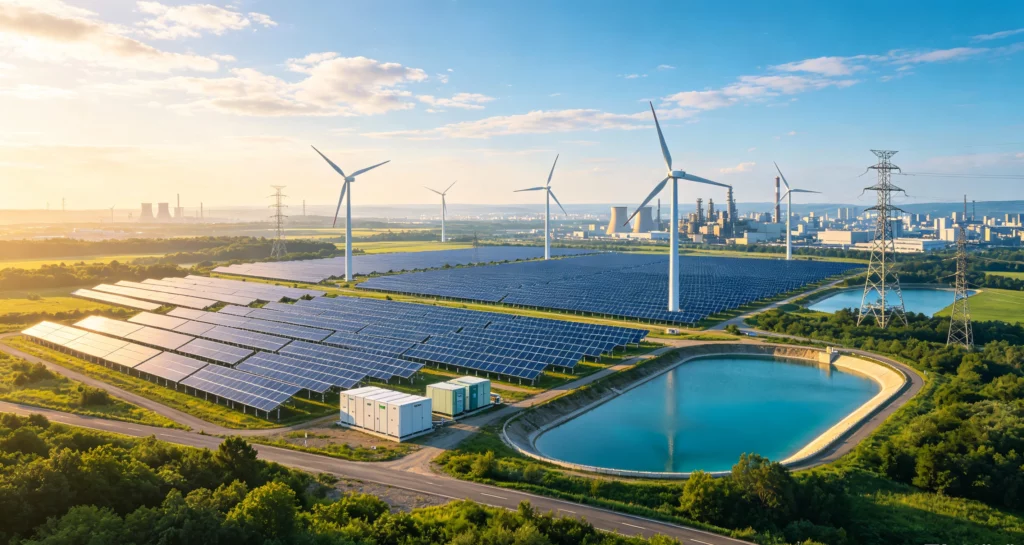
The future energy system will likely combine multiple energy sources rather than rely on a single technology. Renewable energy, energy storage, nuclear power, and cleaner traditional energy will work together to meet rising electricity demand.
Future trends include:
- Increased solar and wind power adoption
- Wider use of battery storage
- Expansion of smart grids
- Greater electrification of transportation and industry
- Improved energy efficiency
As renewable technologies continue to improve, they will occupy a larger share of global energy production, while traditional energy sources will continue to adapt to new market requirements.
Conclusion
Competition between renewable energy and conventional energy can be seen as a radical shift in the energy sector worldwide. Renewable energy is growing due to reduced costs, technology advances, and environmental obligations, while conventional energy is growing through cleaner technology advancements and efficiency gains.
In the future, it will not be determined by the full substitution of one energy by another. Rather, a well-balanced energy supply system that involves renewables, energy storage, and advanced energy infrastructure will play a significant role in shaping the future of energy.
0