Using solar power has become one of the fastest-growing ways of generating renewable energy around the world. The cost-effectiveness of production, efficiency of the technology, and rising demand for renewable energy sources are contributing to a fast move from using traditional sources of energy to using solar power sources.
However, for solar energy to be able to grow in the future, there will be more to installing panels; innovations in the area of solar photovoltaic material, energy storage, artificial intelligence, and the smart grid will change the way that solar energy can be produced, managed, and used.
1. Advanced Solar Cell Technologies Improve Efficiency
One of the major problems in solar power generation has been the problem of conversion efficiency. While traditional silicon solar cells have made great progress, researchers are now experimenting with different materials to improve on this.
Emerging photovoltaic technologies include:
| Technology | Main Advantages | Potential Impact |
| Perovskite solar cells | Lightweight, flexible, and high absorption capability | Higher efficiency with lower manufacturing costs |
| Tandem solar cells | Combines multiple materials to capture more sunlight | Efficiency beyond traditional silicon limits |
| Bifacial solar panels | Generate electricity from both front and rear surfaces | Increased energy output by capturing reflected light |
| Thin-film solar technology | Flexible and lightweight design | Suitable for buildings, vehicles, and portable applications |
From all the different technological options that are being studied, one of the most promising ones is Perovskite solar cells because of their ability to be produced using less energy compared to current silicon-based solar cells. The ongoing research focuses on improving these cells’ durability and scalability.
In addition, there are Tandem solar cells that make use of two different materials, such as silicon and perovskite, to make maximum utilization of the sunlight spectrum.
2. Solar Panel Efficiency Is Being Enhanced Through Smart Design
Beyond new materials, improvements in panel design and operation are also increasing solar performance.
Modern solar systems are adopting technologies such as:
- Solar tracking systems: These systems automatically align panels at different angles depending on the sun. A utility-scale solar plant that uses solar trackers will produce more energy annually than a fixed one.
- Advanced cooling techniques: The cooling effect is required to increase the efficiency of the PV system, as higher temperatures negatively impact its performance. Research studies have proved that the cooling technique improves the performance of photovoltaics under specific conditions.
- Antidust coating: Dust formation may decrease electrical production, particularly in dry areas. New coatings assist in reducing maintenance and sustaining electrical production.
These innovations are particularly valuable for large solar farms located in deserts and other high-temperature environments.
3. Energy Storage Makes Solar Power More Reliable
One major problem in the use of solar energy is its dependency on sunlight. It generates electricity during daytime, while the need for electricity is greater during nighttime. In this case, storing electricity has become very important.
Currently, lithium-ion batteries dominate the market; however, future generations of storage devices are being developed.
| Storage Technology | Key Features | Application |
| Lithium iron phosphate (LiFePO4) batteries | Long cycle life, improved safety | Residential and commercial storage |
| Solid-state batteries | Higher energy density and improved safety | Future large-scale storage |
| Flow batteries | Long-duration storage capability | Utility-scale renewable projects |
| Sodium-ion batteries | Lower material costs | Grid and backup energy systems |
Battery storage allows solar installations to provide stable electricity even when sunlight is unavailable. It also helps reduce pressure on power grids by balancing supply and demand.
4. Artificial Intelligence Optimizes Solar Energy Management
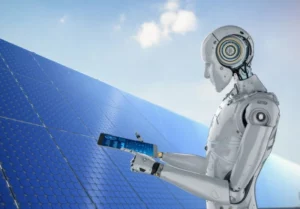
Another factor influencing the development of solar energy is artificial intelligence (AI). Traditional solar systems utilize fixed operational methods; however, AI provides better prediction and automation.
AI applications in solar energy include:
- Forecasting of power generation: Machine learning algorithms make use of weather conditions, cloud behavior, and performance records to forecast power generation from the solar system.
- Predictive maintenance: AI systems can identify equipment problems before failures occur, reducing downtime.
- Smart energy management: Intelligent controllers can coordinate solar panels, batteries, and household or industrial electricity consumption.
For large-scale solar farms, AI-based monitoring can improve operational efficiency and reduce maintenance costs.
5. Building-Integrated Solar Creates New Market Opportunities
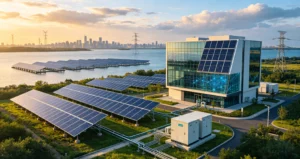
However, the future of solar power is not restricted to conventional rooftop panels and solar power plants. The concept of building-integrated photovoltaic cells (BIPV) opens up new avenues where buildings can become power stations.
Examples include:
- Solar glass windows
- Solar roof tiles
- Solar facades
- Solar-powered transportation infrastructure
Unlike traditional systems, the BIPV system is designed right into building materials, thus ensuring renewable power production is an essential feature of modern architecture.
With the development of urban spaces, BIPV can be an efficient way to decrease building power consumption without additional land usage.
6. Global Solar Expansion Requires Smarter Energy Systems
The fast development of solar energy brings about several challenges such as stability of the power grid, storage of electricity, and infrastructure development. The world’s solar PV capacity is still growing fast, and solar plays an important role in renewable energy additions.
Future solar systems will require:
| Challenge | Innovation Solution |
| Intermittent power generation | Battery storage and hybrid energy systems |
| Grid management issues | Smart grids and digital control platforms |
| Limited installation space | Floating solar and BIPV technology |
| High maintenance costs | AI monitoring and automated inspection |
Floating solar farms, for example, allow renewable energy development on reservoirs and industrial water areas without competing for land resources.
Conclusion: Innovation Will Define the Next Stage of Solar Energy
The development of solar energy in the future will depend on constant innovations in technology. High-performance solar panels, improved battery systems, artificial intelligence, and the integration of solar energy in various applications are changing the status of solar energy from a secondary source of energy to an integral part of global energy systems.
As the price of solar energy continues to fall and technologies become even better, solar energy will definitely contribute to global electricity consumption. The next wave of solar technologies will not only produce more energy but will also build smarter and sustainable energy networks.
0