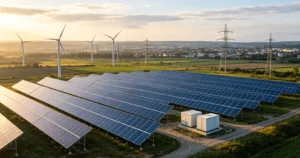
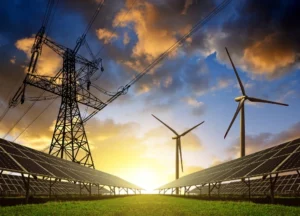
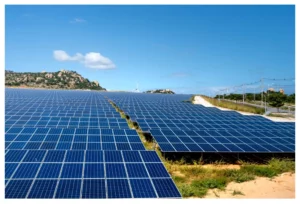
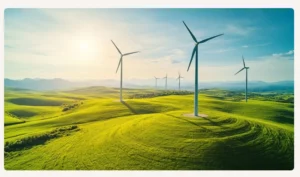
The fast development of renewable energy has changed the structure of global power supply. Renewable energy sources are rapidly developing; however, the problem with them lies in the fact that production is highly variable and does not always coincide with energy demand. For instance, photovoltaic cells operate at maximum efficiency only during daytime; meanwhile, the need for electricity becomes greater in the evening. Moreover, the efficiency of wind energy generation is dependent on the weather conditions.
One of the crucial technologies solving this problem is energy storage. With the help of storing excess renewable electricity and its further release, energy storage systems stabilize the functioning of the grid, boost renewable energy use, and promote a low-carbon economy. According to the statistics of the industry, battery storage capacity has been growing at a very fast pace; thus, the deployment of battery storage systems in 2025 is expected to equal approximately 108 GW, which is 40% higher than the year before.
The Growing Role of Energy Storage in Renewable Energy Systems
Conventional power grids depend largely on energy sources that can be predicted, including coal, natural gas, and nuclear energy. In renewable energy, there is increased flexibility due to the reliance of energy production on natural factors.
Energy storage acts as a bridge between renewable generation and electricity demand. It allows power operators to:
- Store surplus solar and wind energy during periods of high generation
- Supply electricity during peak demand periods
- Reduce renewable energy waste caused by grid limitations
- Improve frequency regulation and grid reliability
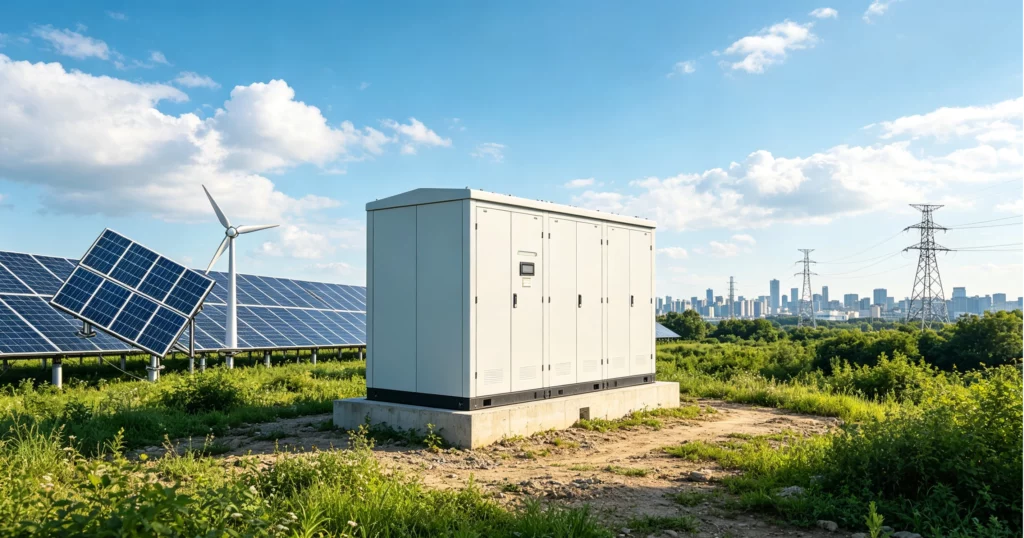
For instance, a solar farm with battery storage could store surplus power produced at noon and provide it at night when the domestic electricity demand is rising. This practice is referred to as energy shifting that makes renewable power a more reliable electricity supplier.
The significance of such technology is increasing since the growth of renewable power sources keeps increasing. Renewable power generation is forecasted to increase up to 4,600 GW between 2025 and 2030, with photovoltaic plants taking around 80% of its share.
Major Energy Storage Technologies Driving the Market
Different energy storage technologies serve different applications depending on storage duration, capacity requirements, and cost considerations.
| Energy Storage Technology | Typical Application | Main Advantages |
| Lithium-ion Battery | Grid storage, residential systems, commercial projects | High efficiency, fast response, flexible installation |
| Pumped Hydropower Storage | Large-scale grid balancing | Long lifespan and large storage capacity |
| Thermal Energy Storage | Industrial heating and cooling | Suitable for managing heat-related energy demand |
| Hydrogen Storage | Long-duration energy storage | Potential for seasonal renewable energy storage |
Among these technologies, lithium-ion batteries are leading the pack currently due to their high energy density, cost reduction, and high-speed reaction time. The use of lithium iron phosphate (LFP) batteries is on the rise as well due to their relatively lower price, higher safety levels, and increased longevity. As of 2025, LFP batteries comprised nearly 90% of newly installed battery storage systems.
How Battery Storage Improves Grid Stability
One of the biggest challenges of renewable energy is maintaining a balance between electricity supply and demand. Even small fluctuations can affect grid frequency and reliability.
Battery energy storage systems can respond within milliseconds, providing several important grid services:
1. Peak Load Management
Electricity consumption tends to increase at specific times, like evenings, when there is consumption of light and heat for houses. Energy storage helps discharge the stored energy in those peak hours, thus relieving the burden on generators and distribution systems.
2. Renewable Energy Integration
Without storage, excess solar or wind power may need to be reduced when electricity production exceeds grid demand. Storage systems capture this unused energy and make it available later.
3. Emergency Backup Power
Massive battery power systems could be used as backup power during grid failure for such facilities as hospitals, communications, and industrial centers.
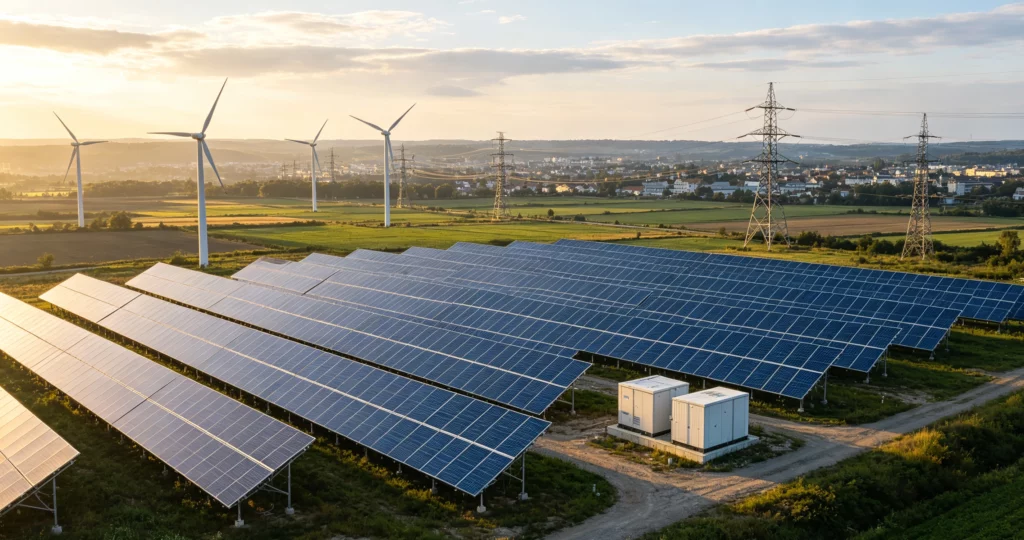
In the USA, battery storage for utility companies is growing along with the number of renewable energy sources. Batteries are installed in combination with solar and wind farms to enhance electricity supply stability and minimize traditional backup sources.
Falling Battery Costs Are Accelerating Adoption
Energy storage has seen considerable advancements in terms of economic feasibility within the last ten years. Battery costs have fallen by over 90% since 2010 owing to technological advances, economies of scale, and the evolution of the supply chain.
Several factors are contributing to lower storage costs:
| Factor | Impact on Energy Storage |
| Manufacturing scale | Reduces production costs through mass production |
| Battery chemistry improvements | Enhances safety, lifespan, and efficiency |
| Recycling technology | Helps reduce material costs and environmental impact |
| Smart energy management systems | Improves system performance |
Lower costs are making energy storage accessible for more applications, including residential solar systems, commercial facilities, and large utility projects.
Energy Storage Is Expanding Beyond Traditional Batteries
Even though lithium-ion batteries dominate the market today, energy systems of the future will probably employ a combination of different storage methods.
The importance of long-duration energy storage has been growing since renewable grids may need energy storage for several hours or even days. The technologies of pumped hydro, compressed air energy storage, and hydrogen storage have been developed to balance large volumes of energy.
For instance, pumped hydropower is among the most widespread energy storage technologies due to the possibility of storing considerable amounts of electricity for an extended period. On the other hand, hydrogen storage has been gaining popularity in industry due to the impossibility of its electrification.
Challenges Facing the Energy Storage Industry
Despite rapid development, energy storage still faces several challenges.
High Initial Investment
Although costs are decreasing, large-scale storage projects require significant upfront investment. Financing models and supportive energy policies remain important factors affecting deployment.
Battery Material Supply
Lithium-ion batteries depend on materials such as lithium, nickel, and cobalt. Expanding recycling systems and developing alternative battery chemistries will be important for long-term sustainability.
Grid Integration Issues
Energy storage projects require suitable grid connections, technical standards, and regulatory frameworks. Delays in permitting and infrastructure upgrades can slow deployment.
The Future Outlook of Energy Storage
Energy storage will become an essential part of future renewable power systems. As solar and wind energy continue to grow, storage technologies will help transform intermittent renewable sources into dependable electricity resources.
Future energy systems are likely to combine multiple storage solutions:
- Short-duration batteries for daily energy balancing
- Long-duration storage for extended renewable shortages
- Smart energy management platforms for optimized electricity use
- Distributed storage systems connected to homes and businesses
The move towards renewables does not just include the production of clean power, but also the efficient management of this electricity. The ability to store energy is what gives us the flexibility to create a more robust and sustainable power network.
As technology continues to advance and costs become more affordable, energy storage will prove to be one of the most important tools for the future of renewable power.
0