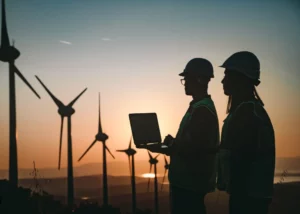
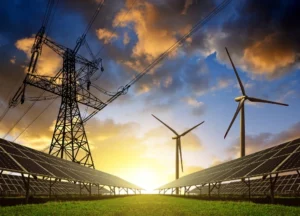
A major shift is taking place within the global energy system. Traditionally, the world’s electricity infrastructure has been built around centralized power generation, which involves the production of electricity through power stations and its transmission using fixed transmission lines. However, increasing electricity demands, renewable energy, and technological advances have led to a paradigm shift in the production, distribution, and consumption of energy.
Modern countries are increasingly building their energy systems to be more adaptive and reliable. The future energy infrastructure will comprise smart grids, distributed energy systems, energy storage, and many other new systems.
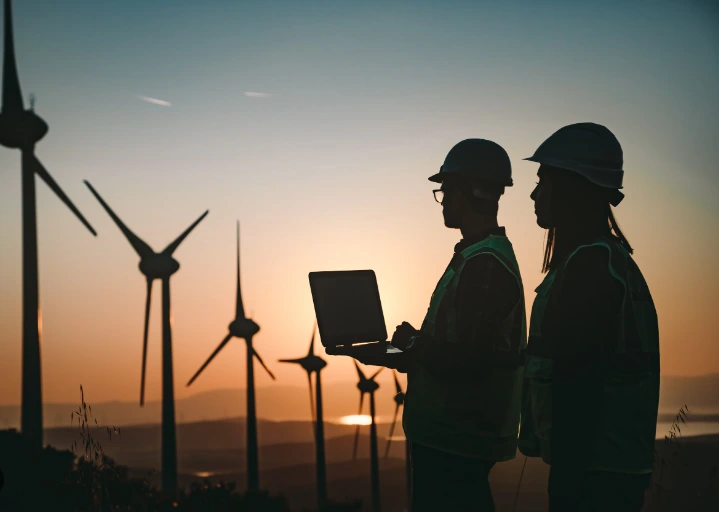
From Traditional Grids to Smart Energy Networks
The classical energy networks were mostly designed for the unidirectional delivery of electricity. Electricity was produced at huge power plants and supplied to users via transmission and distribution lines.
Although this system had successfully promoted economic development in many countries for several decades, it now faces certain difficulties in light of growing complexity in energy production systems. With a rising share of solar and wind energy generation, electricity networks need to be able to deal with greater variability of their operation.
Smart energy networks offer an innovative solution based on the integration of modern technology into existing infrastructure. Thanks to monitoring and automation, such systems can optimize the process of energy distribution.
Key advantages of smart energy networks include:
- Improved power reliability
- More efficient energy distribution
- Faster response to power demand changes
- Better integration of renewable energy sources
As electricity consumption continues to grow, smart grids will become an essential part of modern energy infrastructure.
Why Energy Storage Is Becoming Essential
The storage of energy has emerged as one of the most critical technologies for future energy systems.
There are many environmental advantages to renewable energy sources, but production from these sources is dependent upon weather conditions. Production of solar energy is determined by the availability of sunshine, while wind energy production varies according to weather patterns. The problem arises because of fluctuations in production due to such reasons.
Energy storage technology can be used to store energy when production is high and deliver energy when there is increased demand.
The benefits of energy storage include:
| Function | Importance |
| Renewable energy integration | Helps balance unstable solar and wind power generation |
| Backup power supply | Provides electricity during outages or emergencies |
| Grid stability | Reduces pressure on electricity networks |
| Energy efficiency | Improves the utilization of generated power |
With continuous improvements in battery technology, energy storage is becoming more accessible for residential, commercial, and industrial applications.
The Growth of Distributed Energy Systems
Yet another trend in the energy infrastructure of tomorrow relates to the concept of distributed energy.
As opposed to conventional centralized systems, distributed energy permits the production of electricity in proximity to its utilization. Examples include rooftop solar systems, local energy storage, and microgrids.
This approach provides several benefits:
Greater Energy Flexibility
Distributed energy systems allow communities and businesses to manage their own power generation and consumption more effectively.
Improved Energy Resilience
Local energy systems can continue operating even when large-scale power networks experience disruptions, making them valuable for areas requiring reliable electricity.
Reduced Transmission Pressure
The production of energy near the consumers may help decrease losses during its transmission and increase efficiency.
With the growth in renewable energy use, distributed energy systems will gain more importance in the future power grid systems.
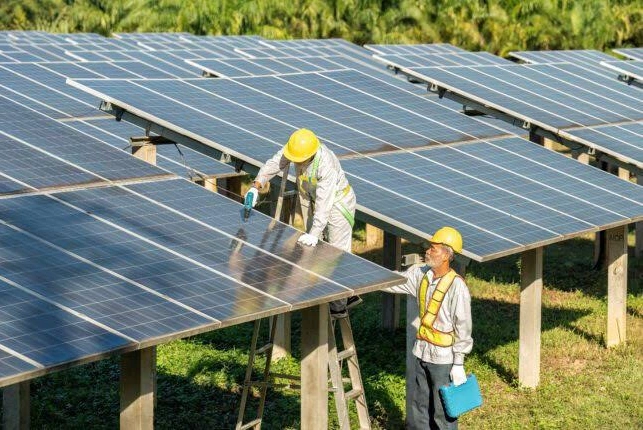
Challenges in Building Future Energy Infrastructure
Although modern energy technologies offer significant opportunities, building future energy networks also involves several challenges.
High Infrastructure Investment
Upgrading electricity networks requires substantial investment in equipment, technology, and maintenance. Many countries need to modernize aging infrastructure while expanding energy capacity.
Complex Energy Management
As more renewable energy sources are connected to power grids, managing supply fluctuations becomes more challenging. Advanced monitoring systems and intelligent control technologies are needed to maintain grid stability.
Technology Integration
Future energy systems will involve multiple technologies, including renewable generation, storage systems, smart meters, and digital platforms. Ensuring compatibility between different systems will be essential for efficient operation.
The Future of Energy Infrastructure
Future energy grids will be more intelligent, adaptable, and connected. Unlike current systems that depend heavily on centralized power stations, future systems will integrate renewables, energy storage solutions, and digital means of energy management.
Several trends are expected to shape the next generation of energy infrastructure:
Smarter Grid Management
Artificial intelligence and digital platforms will help improve energy forecasting, optimize electricity distribution, and reduce waste.
Greater Renewable Energy Adoption
More countries will continue expanding solar, wind, and other clean energy sources as part of their long-term energy strategies.
More Flexible Power Systems
Energy storage and distributed generation will allow electricity networks to respond more effectively to changing demand patterns.
Conclusion
Energy infrastructure in the future is bound to be more intelligent, with renewable energy incorporation and increased flexibility. With the continuous increase in electricity demand all over the world, energy infrastructures need to adapt and transform in order to address the changing demands.
With the integration of intelligent energy grids, energy storage technology, and distributed energy infrastructure, nations would be able to create sustainable energy infrastructures. There will certainly be no immediate transformation of the modern energy infrastructure, but innovation and investment are key elements for success.
0