
More than simply an economic commodity, energy has strong links with geopolitics, industry, transportation, and even security. In 2026, changes in the world energy sector have become increasingly apparent, as oil and gas resources retain their significance while, at the same time, the amount of renewables keeps growing.
Recently emerged problems in the Middle East region once again underline the importance of reliable energy supply sources, while solar energy, wind power, nuclear power, and energy storage technologies change the way electricity is produced and consumed.
Why Does the Middle East Matter?
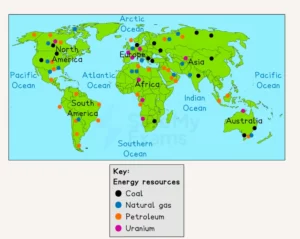 The Middle East continues to be one of the most important places in the world when it comes to oil and natural gas production. It is important not only due to its vast reserves of oil and natural gas but also because of its strategic position in relation to international energy transportation.
For instance, the Strait of Hormuz is a key shipping lane connecting energy producers to international markets. Any major incident would lead to changes in transportation costs, market expectations, and energy prices.
As we see, energy security requires much more than just a country’s own resource base.
How Do Major Countries Differ?
Energy resources are distributed very differently around the world, so each country has developed its own energy strategy.
| Country or Region | Major Energy Characteristics |
| United States | Strong oil and natural gas production, alongside nuclear and renewable energy |
| China | Large coal resources and rapidly expanding solar and wind capacity |
| Russia | Major oil, natural gas, and coal reserves |
| Middle East | Large oil and gas resources with growing solar investment |
| Europe | Increasing renewable energy and diversified energy imports |
| India | Coal remains important while solar power expands |
| Japan | High dependence on imported energy and growing energy diversification |
| Australia | Strong coal and natural gas resources with significant renewable potential |
These differences mean that there is no single energy model suitable for every country.
The United States: A Major Energy Producer
The extraction of shale oil and gas has revolutionized the U.S. energy industry. America has emerged as a leading producer and exporter of energy products, providing it an edge in international energy markets.
Energy consumption will increasingly matter too. Demand for electricity will emerge from data centers, artificial intelligence, production, and electrified transport.
Consequently, the future energy system of the United States will consist of oil and gas but also nuclear energy, renewable energy, energy storage, and enhanced electric grids.
China: Traditional and Renewable Energy Together
The energy market in China is big and diversified. Coal remains a fuel for power generation and industries, whereas renewables are developing fast.
China has become a global player in solar, wind, batteries, and related industries. Such a blend enables China to increase its share of renewables while preserving existing energy sources and transforming the market.
Worldwide, the same tendencies prevail. According to the International Energy Agency, solar energy generation grew by 600 TWh in 2025, which was one of the biggest yearly growth rates for one type of energy source.
The Middle East Is Diversifying Its Energy Economy
Oil will remain important to the Middle East for many years because global transportation, aviation, petrochemicals, and manufacturing still depend heavily on petroleum products.
However, several countries in the region are investing more in solar power, natural gas, hydrogen-related projects, and other industries.
The region’s strong solar resources provide an important advantage. Large-scale solar projects can help meet domestic electricity demand while supporting broader economic diversification.
Europe and the Push for Energy Security
Europe faces a different challenge because many countries have limited domestic fossil fuel resources. This has increased the importance of energy diversification and renewable power.
Solar and wind energy are becoming major parts of Europe’s electricity mix. In 2025, they together accounted for around 30% of EU electricity generation.
However, renewable energy also creates new infrastructure requirements. Because solar and wind generation can fluctuate, stronger grids, energy storage, and flexible power systems are increasingly necessary.
What Will the Future Energy System Look Like?
 The energy transformation in the world is unlikely to happen by one energy taking over the rest.
Oil will retain its value as a fuel for transportation and petrochemical use. The role of natural gas will continue in electricity production and industry. Nuclear energy could serve as a reliable source of low-carbon-emission electricity, while solar and wind will keep growing.
Energy storage systems and grids will become even more significant since they link various energy resources to the end-users.
To put it simply, energy competition in the future will not depend on natural resources alone.
A New Stage of Global Energy Competition
The energy situation worldwide is changing into another phase.
Geopolitical factors continue to impact the oil and gas industry, whereas renewable energy is influencing electricity generation. Moreover, the rising demands of data centers, industries, and electrification are adding more challenges to the power sector.
The countries that shape the future energy market may not simply be those with the largest oil or gas reserves. They are likely to be the countries that can combine resources, technology, infrastructure, and energy security effectively.
As energy demand continues to change, the global energy map will become more diverse—and increasingly important to the world’s economy and geopolitics.
0