
In modern electrical engineering, safety and durability are critical. One essential product that meets these needs is the double sheathed cable. It’s designed with two layers of protective sheathing that offer greater mechanical strength, electrical insulation, and resistance to harsh environments.
To understand why double sheathed cables are used in so many industries, it’s helpful to look closely at their structure, function, and performance advantages.
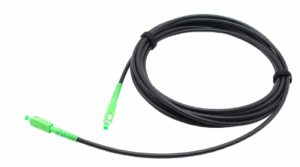
Structure and Design of a Double Sheathed Cable
A double sheathed cable consists of three main parts: the conductor, insulation, and two outer protective layers known as sheaths.
- The conductor—usually copper or aluminum—carries electrical current.
- The inner sheath protects the insulation and keeps moisture, oil, or chemicals from damaging it.
- The outer sheath adds another layer of defense, improving resistance to abrasion, impact, and ultraviolet light.
This two-layer design makes the cable tougher than standard single-sheathed models. It’s particularly effective for installations where cables face physical stress, frequent movement, or exposure to extreme weather conditions.
Purpose and Function
The main function of a double sheathed cable is protection.
- In environments like factories, construction sites, and outdoor power systems, cables can easily be damaged by pressure, cuts, or chemical spills. The dual sheath acts like armor, shielding the inner insulation and conductor.
- In addition to mechanical protection, the double sheath provides electrical insulation that minimizes leakage currents.
- It helps maintain the integrity of electrical systems by reducing risks of short circuits, sparks, or grounding failures.
The design also helps in maintaining consistent performance even under continuous vibration or bending.
Materials Used in Double Sheathed Cables
The effectiveness of a double sheathed cable depends greatly on the materials used.
- Common materials for the inner sheath include PVC (polyvinyl chloride) and PE (polyethylene), both offering flexibility and good insulation.
- The outer sheath is often made from tougher compounds like thermoplastic elastomers or cross-linked polyethylene (XLPE), which resist sunlight, oil, and mechanical impact.
Some advanced designs use halogen-free materials to minimize toxic smoke in case of fire. This makes them ideal for public buildings and transportation systems, where safety standards are strict.
Typical Applications
Due to its durability, the double-sheathed cable is used in a wide range of settings.
- Industrial plants use it to power heavy machinery.
- Construction companies install it in underground conduits and exposed wiring routes.
- Marine and offshore projects rely on it for its water resistance and long lifespan.
- In modern cities, double sheathed cables are also used in renewable energy systems, such as solar farms and wind turbines, where cables face constant UV exposure and outdoor weathering.
- They are equally common in data centers and communication systems that require stable, protected electrical connections.
Advantages Over Conventional Cables
Compared to single-sheathed designs, the double-sheathed cable offers a clear advantage in reliability.
- It handles mechanical stress better, resists aging longer, and maintains insulation integrity even in demanding conditions.
- The extra sheath also provides an additional moisture barrier, reducing the likelihood of corrosion or electrical leakage.
In short, while double sheathed cables may cost slightly more, their long-term performance makes them a cost-effective solution, especially for mission-critical systems.
Conclusion
A double sheathed cable is more than just an insulated wire—it’s a well-engineered safety component designed to protect both systems and people. Its two layers of protection ensure consistent performance in harsh environments, making it a preferred choice in modern electrical installations.
0