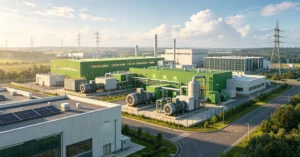
Professional filling machine manufacturers play a crucial role in the production and packaging industry. Their work requires a deep understanding of mechanics, automation, and industry-specific requirements to ensure that businesses can operate efficiently and meet safety standards.
Designing Custom Filling Solutions
One of the primary responsibilities of a filling machine manufacturer is designing machines tailored to specific business needs. Different industries require different filling machines based on the type of products they process.
- Food and Beverage: Manufacturers offer machines that can handle liquids, powders, granules, and semi-solids with high accuracy and speed.
- Chemicals: For chemical industries, filling machines need to be robust enough to handle corrosive or hazardous substances.
The filling machine manufacturer works closely with customers to understand their requirements and creates customized solutions that optimize the filling process, improve productivity, and minimize waste.
Ensuring Quality and Safety Standards
Another vital role of a filling machine manufacturer is ensuring their equipment meets industry standards for safety, quality, and performance. This includes complying with international regulations, certifications, and testing protocols.
- Quality Control: A reputable filling machine manufacturer implements stringent quality control checks at every stage of production to guarantee that their machines function efficiently without defects.
- Safety Compliance: Machines must meet the necessary safety standards to protect workers and avoid accidents. Filling machines used in the food industry, for example, must meet hygiene standards, while those used in pharmaceuticals must comply with Good Manufacturing Practices (GMP).
By adhering to these standards, the manufacturer ensures that their machines can operate safely and efficiently, ultimately helping clients avoid costly downtime and compliance issues.
Providing Efficient After-Sales Support
A professional filling machine manufacturer not only produces and sells equipment but also provides comprehensive after-sales services to maintain the longevity and efficiency of the machines.
- Installation and Training: Manufacturers offer installation services to ensure the machines are properly set up and run optimally from day one. They also provide training for operators to familiarize them with machine functions and maintenance.
- Maintenance and Repairs: Regular maintenance is essential for keeping machines running smoothly. Filling machine manufacturers often offer scheduled maintenance services and emergency repairs to minimize production downtime.
- Technical Support: Manufacturers provide ongoing technical support to troubleshoot issues and provide solutions to operational challenges, ensuring that clients can get the most out of their investment.
After-sales support helps businesses extend the life of their equipment and ensure smooth operations.
Offering Automation and Innovation
A key characteristic of professional filling machine manufacturers is their ability to integrate automation into their designs. In today’s fast-paced industrial environment, automation is essential for maximizing efficiency, reducing human error, and lowering costs.
- Automated Filling Systems: Many filling machine manufacturers now offer automated systems that can handle high-volume production without the need for manual labor.
- Advanced Technology: Some manufacturers incorporate the latest technology such as sensors, smart monitoring systems, and data analytics into their filling machines. This allows businesses to monitor and control the filling process in real-time, improving precision and reducing waste.
By providing automated and innovative solutions, manufacturers help businesses stay competitive in an increasingly automated world.
Developing Customization and Upgrade Options
A professional filling machine manufacturer often offers clients the ability to customize machines to meet specific operational needs. Businesses may require specialized filling capacities, different types of nozzles, or adjustments to the machine’s speed and efficiency.
- Customization: Filling machines can be tailored in terms of size, output capacity, filling methods (e.g., volumetric or gravimetric), and material compatibility.
- Upgrades: Manufacturers also offer upgrades to older machines, ensuring they remain efficient and meet new regulatory standards. This may include adding automation features or improving product consistency.
Customization and upgrades ensure that businesses can scale their operations and adapt to changing market demands without having to invest in entirely new machines.
Conclusion
By offering customized solutions, ensuring safety and quality standards, providing after-sales support, and integrating automation, these manufacturers help businesses enhance efficiency, improve product quality, and remain competitive in a fast-evolving market.
0