Choosing the right fiber optic cable is a critical step in ensuring the performance, reliability, and scalability of any network project. Whether you are building a data center, upgrading enterprise infrastructure, or deploying telecommunications systems, the wrong choice can lead to signal loss, higher costs, and future limitations. Many project managers turn to a wholesale fiber optic cable supplier to balance quality and cost, but selecting the correct type still requires a clear understanding of technical and environmental factors. With multiple cable types, connector options, and deployment conditions to consider, making an informed decision is essential.
Understanding Different Types of Fiber Optic Cables
Before making a purchase, it is important to understand the fundamental types of fiber optic cables and how they differ in performance and application.
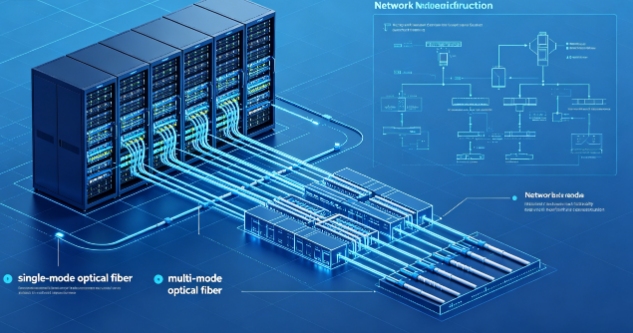
- Single-mode fiber (SMF): Designed for long-distance transmission, it uses a small core to allow light to travel with minimal attenuation. This makes it ideal for telecom networks and large-scale data centers.
- Multimode fiber (MMF): With a larger core, it supports multiple light paths and is typically used for shorter distances, such as within buildings or campus networks.
- Armored vs. non-armored cables: Armored cables offer additional protection against physical damage, making them suitable for harsh environments, while non-armored cables are lighter and easier to install indoors.
When sourcing from a wholesale fiber optic cable provider, understanding these distinctions helps ensure that the selected cable matches your project’s technical requirements.
Key Performance Factors to Consider
Selecting the right cable is not just about type—it also involves evaluating performance characteristics that impact network efficiency.
- Bandwidth capacity: Higher bandwidth cables support faster data transmission, which is crucial for modern applications like cloud computing and streaming services.
- Signal attenuation: Lower attenuation ensures that signals can travel longer distances without degradation, reducing the need for repeaters.
- Connector compatibility: Ensuring that connectors match existing equipment prevents additional costs and simplifies installation.
These performance factors are often highlighted by suppliers offering wholesale fiber optic cable, allowing buyers to compare options based on measurable specifications.
Environmental and Installation Considerations
The physical environment where the cable will be deployed plays a major role in determining the best option.
- Indoor vs. outdoor use: Outdoor cables require UV resistance, waterproofing, and temperature tolerance, while indoor cables prioritize flexibility and fire safety ratings.
- Installation pathway: Cables installed underground, in conduits, or in aerial setups must meet specific durability requirements to avoid long-term damage.
- Space constraints: High-density environments such as server rooms may require compact cable designs to optimize space and airflow.
Taking these factors into account ensures that your cable choice aligns with real-world conditions rather than just technical specifications.
Scalability and Future Network Expansion
A good network design should not only meet current needs but also accommodate future growth. Fiber optic cables play a key role in this planning.
- Higher fiber counts: Choosing cables with additional fibers allows for expansion without replacing existing infrastructure.
- Compatibility with emerging technologies: Selecting cables that support higher data rates ensures long-term usability as network demands increase.
- Modular design approaches: Using structured cabling systems makes it easier to upgrade or reconfigure networks as requirements change.
For organizations procuring through wholesale fiber optic cable channels, scalability is often a primary consideration, as it directly impacts long-term investment value.
Budget and Supplier Selection Strategy
Cost is always a factor, but focusing only on price can lead to compromises in quality and performance.
- Balance cost and quality: Lower-priced cables may save money upfront, but could result in higher maintenance or replacement costs later.
- Evaluate supplier reliability: Choosing a reputable supplier ensures consistent product quality, proper certifications, and reliable delivery timelines.
- Bulk purchasing advantages: Buying in bulk from a trusted supplier can reduce overall costs while maintaining consistent specifications across the project.
Working with a dependable wholesale fiber optic cable supplier helps ensure that cost savings do not come at the expense of network performance.
Conclusion
Choosing the right fiber optic cable for your network project requires careful consideration of cable types, performance metrics, environmental conditions, scalability, and budget. Each factor plays a role in determining how well the network will perform both now and in the future. By taking a strategic approach and working with reliable suppliers, organizations can build efficient, high-performance networks that meet current demands while remaining adaptable to future growth.
0