In this particular situation, there have been generators in a power system where electricity is generated in response to the demand for electricity. Electricity cannot be stored, and hence the two have to be made equal.
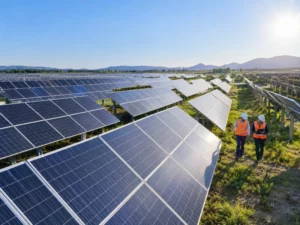
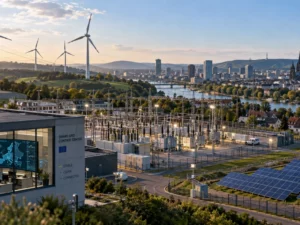
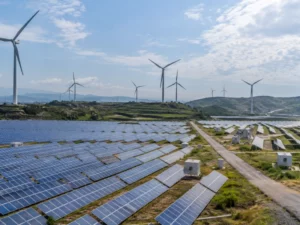
This situation is about to change due to the increase in the number of ways solar power or wind power can be acquired. In some cases, the electricity generated through solar power is more than the requirement in the daytime, but the challenge arises at night. In this particular case, the only other way out is to store electricity. This will revolutionize the cost of electricity.
1. Why Is Energy Storage Becoming Essential to the Global Power Market?
As renewable sources of energy become popular, there is an increasing need for flexible resources in the power system capable of delivering electricity during various intervals.
1.1 How Does Energy Storage Balance Electricity Supply and Demand?
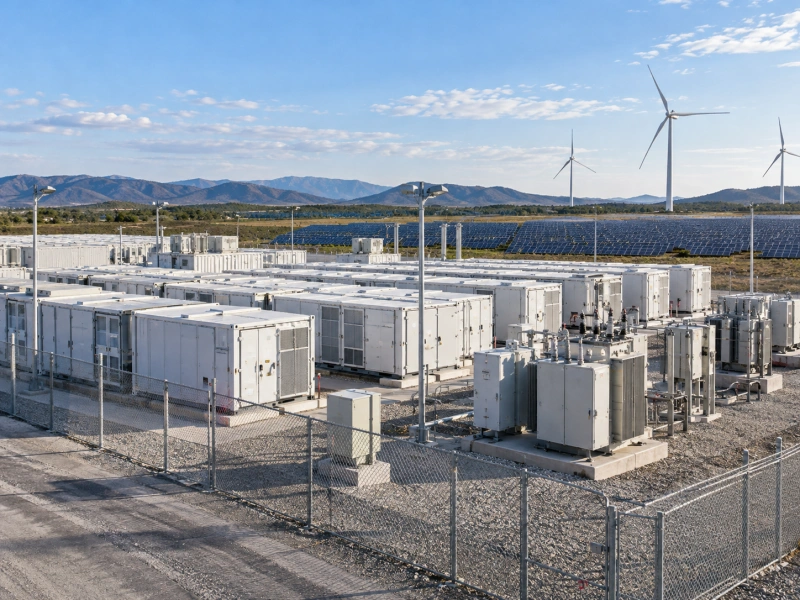
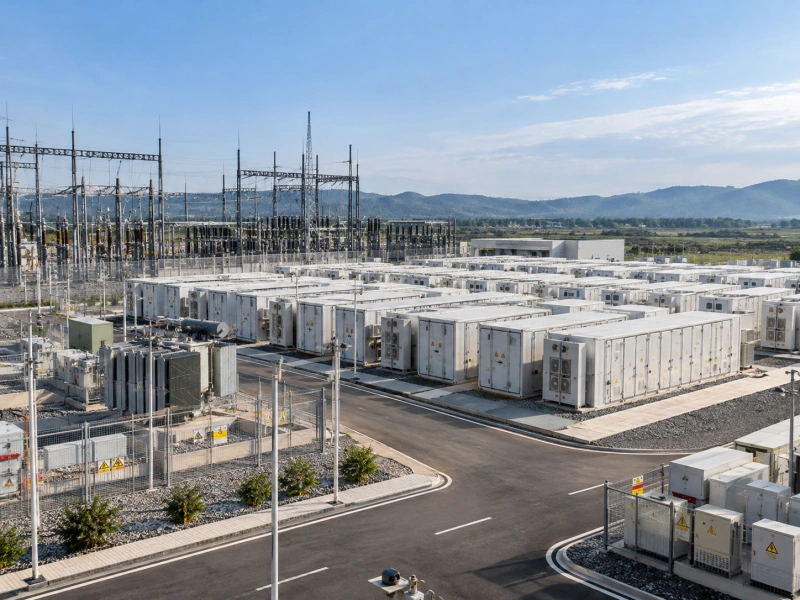
In addition, the energy storage system will be charged when there is surplus electricity available, whereas the energy will be discharged when there is high electricity demand. In this way, the system, which has been installed with 100 MW capacity and 400 MWh of energy storage, can operate at 100 percent capacity for 4 hours: 400 MWh/100 MW = 4 hours.
The duration of discharge of the system will depend on the capacity of energy storage, efficiency, and performance of the system. Apart from electricity exchange in different periods, it offers some other services as well.
1.2 Which Kinds of Energy Storage Are Applied in Power Systems?
Different technologies serve different grid requirements.
| Technology | Main Application | Key Characteristic |
| Lithium-Ion Batteries | Frequency regulation and peak shifting | Fast response |
| Pumped Hydro Storage | Large-scale grid balancing | Mature but geographically limited |
| Flow Batteries | Medium- and long-duration storage | Flexible energy capacity |
| Compressed Air Storage | Large-scale energy storage | Site-dependent |
| Thermal Energy Storage | Industrial heat and selected power applications | Application-specific |
As per the report by the International Energy Agency (IEA), there was an addition of more than 40 gigawatts (GW) of battery storage to the electricity grid worldwide in 2023. However, while GW stands for power, GWh stands for energy.
2. What Would Energy Storage Do to the International Electricity Industry?
Energy storage will not only affect how energy is provided but also when it has its greatest value and how market participants make money.
2.1 Can Energy Storage Reduce Electricity Price Volatility?
Wholesale electricity prices vary significantly from one time of day to another. There are times when electricity prices are reduced owing to increased generation of solar power during the day, whereas there are times when electricity prices increase owing to reduced generation of solar power at night.
Let’s imagine that we have a fictional battery system which has these characteristics:
• Charging cost: $40/MWh
• Discharging revenue: $100/MWh
• Round-trip efficiency: 85%
• Electricity consumption: 100 MWh
The fee of charging is $4,000. The battery system charges 85 MWh of electricity, with losses in terms of energy efficiency; we earn $8,500 from the electricity. In terms of profit, we have $4,500 without taking into account losses in terms of battery deterioration and market fees. Many storage facilities charging cheaply and discharging expensive, can level off the price difference. However, there is no guarantee that the electricity prices will be reduced by the storage facility in all regions.
2.2 How Does Energy Storage Support Renewable Energy Integration?
Energy production from solar and wind sources varies according to weather conditions. Excess energy produced from such sources compared to what is needed at the moment results in curtailment. Storage technologies could help utilize the excess energy by storing and delivering it back into the network at a future time.
Advantages of the storage technologies are as follows:
Reduction of Renewable Curtailment
Storage could enable capturing of unused electricity when conditions permit.
Time Shifting of Electricity Usage
Daytime electricity from solar energy could be utilized in the evening.
Grid Flexibility
Energy storage technologies react fast to grid needs and hence reduce dependency on some traditional balancing energy sources.
However, regular lithium-ion batteries are capable of dealing with hourly variations. They are not equipped to deal with long-term inadequacies.
3. What Challenges Could Shape the Future of Energy Storage?
While growing at a rapid rate, energy storage systems still face challenges with economics, technology, and regulation.
3.1 What Limits the Expansion of Grid-Scale Energy Storage?
There are significant upfront costs associated with battery projects, in addition to power conversion equipment, system control technology, and grid connections. There is even wear and tear associated with batteries over their lifetimes, influenced by temperature, cycling rates, and charging protocols. Safety considerations are also crucial, including battery management systems and thermal management systems for large-scale systems, along with fire suppression and fault isolation capabilities.
Moreover, challenges related to economic feasibility include revenue earned from energy arbitrage, frequency regulation, and capacity services, but as payment systems vary among the different electric markets, it becomes challenging to finance energy storage technologies.
3.2 Could Long-Duration Energy Storage Change the Future Power Market?
As more renewable energy is added to the grid, there may be a need for storage that can supply energy for a longer duration. Long-duration energy storage (LDES) could fill the gap that short-duration battery storage could not be able to address. Pumped hydro storage, flow batteries, and compressed air storage are some examples of energy storage solutions that can store energy for a longer duration.
However, the adoption of such technology will depend on the cost of construction, efficiency, longevity, and the availability of demand in the electricity market.
Conclusion
Energy storage is changing the traditional relationship between electricity generation and consumption through the ability to transmit energy through time. Energy storage can affect pricing schemes, grid services, and investments by balancing supply and demand, renewable energy integration, and participation in electricity markets.
Nevertheless, energy storage is not going to solve all problems that exist in power systems alone. The need for grid extensions, flexible electricity generation, and changes in electricity markets is still necessary. Energy storage may not replace conventional electricity generation, but it can change the value of electricity entirely.
0