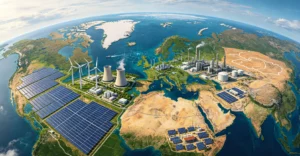
Energy strategy has become one of the key issues for national development planning. There are different priorities to be considered, such as energy security, economic development, environmental preservation, and technological advancement. Despite the ongoing process of the energy transition to renewables globally, every country develops an energy strategy depending on its natural resource base, industrial base, energy demands, and political situation. That is why energy strategies vary greatly.
An effective energy strategy consists of more than increasing the share of renewable energy. It also includes improving energy efficiency, enhancing electricity grids, energy storage facilities, fuel security, and investment policy.
Key Factors That Shape National Energy Strategies
Before developing energy policies, governments usually evaluate several fundamental factors:
| Factor | Influence on Energy Strategy |
| Natural resources | Countries with abundant sunlight, wind, coal, gas, or hydropower often prioritize these advantages |
| Energy demand | Industrial economies require stable and large-scale energy supplies |
| Economic conditions | Developed and developing countries may have different investment capabilities |
| Climate goals | Many countries are introducing carbon reduction targets and renewable energy plans |
| Energy security | Reducing dependence on imported fuels has become a major policy objective |
For instance, states that have vast supplies of fossil fuels will use their traditional energy sources but also develop renewable energy slowly. In addition, countries that do not have sufficient domestic energy supplies rely on diversification and energy cooperation.
China: Combining Renewable Expansion with Energy Security
The energy policy of China is based on ensuring an energy supply and accelerating the development of clean energy. Being the largest energy consumer globally, China has made substantial investments in solar energy, wind energy, nuclear energy, energy storage, and electric transport.
Solar and wind energy sources play a crucial role in China’s transition strategy. The country is the global leader in manufacturing renewable energy sources, including solar cells and batteries. According to international energy assessments, China has the largest share of global ambitions concerning renewable energy until 2030.
However, China’s strategy also includes maintaining stable energy supplies. Coal remains an important part of the electricity system because it provides reliable power for a rapidly growing economy. The country’s approach can be described as a combination of:
- Expanding renewable energy capacity
- Improving grid flexibility
- Developing large-scale battery storage
- Maintaining energy supply stability
- Increasing electrification in transportation and industry
This balanced approach reflects the challenge faced by many industrial economies: reducing emissions while meeting continuous energy demand growth.
European Countries: Climate Targets and Energy Diversification
Many European nations prioritize climate objectives in their energy policies. European energy policy stresses renewables, energy efficiency, emissions reduction, and cooperation within regions for power generation.
Many policies have been introduced by the European Union to promote renewables and minimize reliance on fossil fuels. As of 2024, 89 countries around the world had renewable energy targets in place for their economies.
Different European countries focus on different energy advantages:
| Country | Main Energy Strategy |
| Germany | Renewable electricity expansion, energy efficiency, and clean heating development |
| France | Nuclear power combined with renewable energy growth |
| Spain | Solar and wind development supported by favorable climate conditions |
| Norway | Hydropower dominance with increasing electric vehicle adoption |
One such example is that of Germany, which has focused on renewables in heating and electricity generation. Such policies have included regulations on the amount of renewable energy in new heating systems.
The challenge facing Europe is that of incorporating greater amounts of renewable power into the energy grid in an economic manner.
The United States: Technology Innovation and Market-Based Development
The U.S. energy policy is technology-driven, self-reliant, and competitive. As a result of having vast land masses and numerous sources of energy, the nation utilizes an energy system that includes natural gas, nuclear power, solar, wind, and oil.
The U.S. energy strategy has several major characteristics:
1. Strong renewable investment
Solar and wind power have expanded rapidly due to declining technology costs and government incentives.
2. Energy independence
Domestic oil and natural gas production remains an important component of national energy security.
3. Advanced energy technologies
The country invests in battery storage, carbon capture, hydrogen, and smart grid systems.
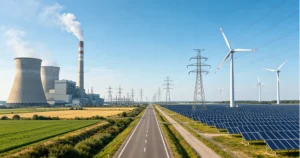
The U.S. approach demonstrates how countries can combine conventional energy resources with emerging technologies during the transition period.
Developing Countries: Expanding Access While Transitioning
However, in many developing nations, it is not only about reducing the amount of emissions; rather, it is also about providing more energy access. The International Energy Agency says that energy access and economic development are important concerns for many regions.
Countries in Africa, Southeast Asia, and South Asia often focus on:
- Expanding electricity infrastructure
- Developing affordable renewable power
- Attracting international investment
- Building decentralized energy systems
Solar energy is especially important because many regions have strong sunlight resources and remote communities that are difficult to connect to traditional grids.
For example, off-grid solar systems and mini-grids can provide electricity access without requiring large-scale transmission infrastructure.
Middle East: Balancing Fossil Fuels and New Energy Industries
Oil and gas have been an important export for the Middle East in the past. Nevertheless, several states in the Middle East are currently investing in renewable energy projects.
Several countries, including the UAE and Saudi Arabia, are focusing investment efforts on:
- Large-scale solar farms
- Hydrogen production
- Energy efficiency technologies
- Carbon management solutions
The region’s energy strategy is increasingly focused on using existing energy advantages while preparing for future market changes.
The Rising Role of Energy Storage Systems and Smart Grid Solutions
Regardless of national differences, energy storage has become a common priority. Renewable energy sources such as solar and wind are variable, meaning electricity production does not always match consumption.
Energy storage helps solve this challenge by:
- Balancing electricity supply and demand
- Supporting renewable integration
- Improving grid reliability
- Reducing dependence on backup fossil fuel plants
Battery technology has developed quickly, with lithium-ion batteries becoming the dominant solution for many applications. Large-scale storage projects are expected to play a major role in future electricity systems.
Conclusion
Energy policies are made by different nations based on their specific circumstances. Countries that have plenty of resources may adopt energy policies geared toward energy security and transformation, whereas countries rich in renewable sources may concentrate on accelerating their clean energy utilization.
There are some patterns that can be identified in different countries despite the differences in energy policies, including the development of renewable energy, increased efficiency, better electricity infrastructure, and technological investments. Renewable energy capacity is growing globally, but it is necessary to speed up its implementation.
In the future, national energy policies will be more flexible and technologically oriented, integrating both conventional and renewable sources into one energy system.
0