The global energy sector is seeing the influence of artificial intelligence (AI) in its growth process. As the complexity of energy systems increases, it is getting harder to maintain traditional power generation and distribution techniques due to various reasons, such as increasing electricity needs and demand for better efficiency. To address all of this, companies and authorities are moving towards advanced technology solutions.
Through the analysis of massive volumes of data, increased precision in forecasting, and automation of the whole energy management process, AI is helping to make energy systems more efficient and reliable.
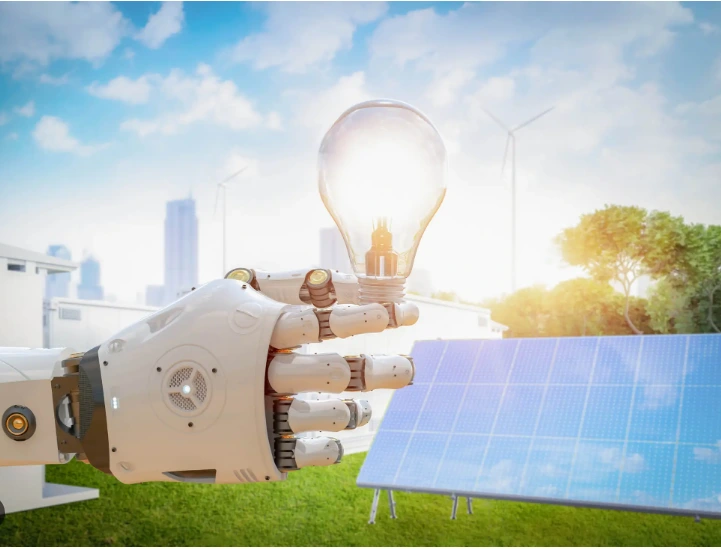
AI Improves Energy Forecasting and Management
One of the most useful applications of AI in the energy industry is energy forecasting. Reliable forecasting is necessary to ensure a balance between power supply and demand.
Classic forecasting techniques usually use previous data as well as static models. However, energy consumption can vary due to weather factors, the economy, and user behavior. AI solutions can analyze a huge amount of real-time information and detect patterns that are difficult to detect with classic techniques.
AI-powered forecasting can help energy providers:
- Predict electricity demand more accurately
- Optimize power generation schedules
- Reduce energy waste
- Improve grid stability
When it comes to renewable energy sources, the use of AI is especially valuable since the output of solar and wind energy depends greatly on environmental factors. The analysis of weather information and past performance through AI makes the process of forecasting much more reliable.
Smart Grids Become More Intelligent
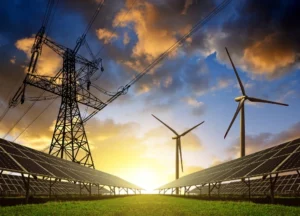
The evolution of smart grids can be considered one of the main breakthroughs in the development of energy infrastructure nowadays. In contrast to traditional electricity supply systems, smart grids employ information technology solutions for monitoring and controlling the flow of energy.
AI technologies have great significance for building up intelligence in such networks through the analysis of information collected by sensors installed in various parts of the grid.
The benefits of AI-powered smart grids include:
| Application | Impact |
| Real-time monitoring | Provides better visibility of energy usage and system performance |
| Predictive maintenance | Helps identify equipment issues before failures occur |
| Automated control | Improves response speed during demand changes |
| Energy optimization | Reduces losses and improves efficiency |
As electricity networks become more decentralized, intelligent grid management will become increasingly important for maintaining reliable energy supplies.
AI Supports Renewable Energy Development
Renewable energy sources have become integral parts of the global energy strategy, but the management of renewable energy resources is becoming difficult because of their intermittent nature.
AI technologies are helping improve the efficiency of renewable energy systems in several ways.
Optimizing Solar Power Generation
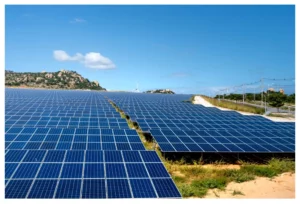
AI can analyze weather conditions, sunlight intensity, and equipment performance to improve solar energy forecasting. This allows operators to better predict electricity output and optimize system performance.
Improving Wind Energy Operations
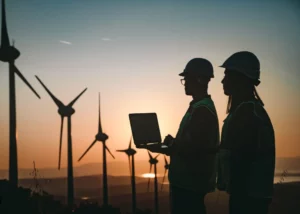
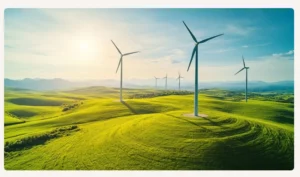
For wind farms, AI can monitor turbine performance, analyze operating conditions, and identify maintenance requirements. This helps improve efficiency and reduce unexpected downtime.
Managing Energy Storage Systems
In light of the increased significance of energy storage, AI can be used to determine when to store electricity and when to discharge it. The intelligent management of energy ensures that energy storage systems adapt better to fluctuations in electricity demands.
With these uses of AI, renewable energy is becoming more reliable and easily integrated into modern electricity grids.
Challenges of AI-Powered Energy Systems
Although AI offers significant opportunities for the energy industry, several challenges must be addressed before widespread adoption.
Data Security and Privacy
AI systems depend on large amounts of operational data. Protecting this information from cyber threats is essential to ensure the security of energy infrastructure.
High Implementation Costs
Developing AI-powered energy systems requires investment in digital infrastructure, data platforms, and technical expertise. Smaller organizations may face challenges when adopting these advanced technologies.
Need for Skilled Professionals
AI applications in the energy sector require professionals who understand both energy systems and digital technologies. Developing specialized talent will be important for future industry growth.
The Future of AI in Energy
The combination of AI and energy technology is expected to create new opportunities for improving efficiency, reliability, and sustainability.
Future developments may include:
More Automated Energy Management
AI systems will play a larger role in controlling energy generation, storage, and distribution with minimal human intervention.
Better Integration of Renewable Energy
Advanced AI models will improve renewable energy forecasting and help create more stable clean energy systems.
More Personalized Energy Use
Smart energy platforms may allow households and businesses to better monitor and optimize their electricity consumption.
As energy systems continue to evolve, artificial intelligence will become an important tool for addressing global energy challenges.
Conclusion
AI is bringing revolutionary changes in the energy sector through improved predictions, optimized renewables, and advanced power grids. With increasing demands for energy across the globe and the rising need for clean energy production, AI can serve as an excellent tool for developing a more efficient energy system.
The future of energy will be all about energy production as well as its smart management. With the help of the most innovative technologies and sustainable development practices, AI would continue to influence the future of global energy.
0