In modern communication networks, reliable and efficient cabling plays a critical role in signal transmission. One commonly used solution is the flat drop cable, which has become especially important in fiber-to-the-home (FTTH) and fiber access networks. A flat drop cable is designed to provide a compact, flexible, and cost-effective way to connect main distribution networks to end users. Understanding what a flat drop cable is used for helps network planners, installers, and system integrators make informed decisions when building or upgrading communication infrastructure.
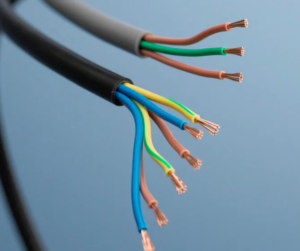
What Is a Flat Drop Cable?
A flat drop cable is a type of fiber optic cable specifically designed for last-mile connections. It usually features a flat structure with one or more optical fibers placed in the center and reinforced with strength members on both sides. This structural design allows the flat drop cable to maintain mechanical strength while remaining lightweight and easy to install.
- Basic Structure of a Flat Drop Cable
The internal structure of a flat drop cable typically includes optical fibers, reinforcing elements such as FRP or steel wires, and an outer jacket. This configuration ensures durability while minimizing thickness, making the flat drop cable suitable for both indoor and outdoor installations.
- Why the Flat Design Matters
The flat shape of a flat drop cable allows it to be routed along walls, corners, and narrow conduits more easily than round cables. This design significantly reduces installation complexity and improves overall network aesthetics.
Main Applications of Flat Drop Cable
A flat drop cable is widely used in access networks where fiber needs to reach individual users or buildings. Its versatility makes it suitable for various deployment scenarios.
- FTTH and FTTB Networks
In FTTH and FTTB projects, the flat drop cable serves as the final connection between the optical distribution point and the customer premises. It ensures stable data transmission while keeping installation costs under control.
- Residential and Commercial Buildings
A flat drop cable is commonly installed inside residential apartments and commercial offices. Its compact size allows installers to run the cable discreetly without damaging walls or interior designs.
- Outdoor-to-Indoor Transitions
Many network layouts require transitioning from outdoor backbone cables to indoor wiring. A flat drop cable is ideal for this purpose due to its weather resistance and flexibility.
Advantages of Using a Flat Drop Cable
Compared with traditional round cables, a flat drop cable offers several technical and practical advantages that support modern network deployment.
- Easy Installation and Flexibility
The flexibility of a flat drop cable allows it to be bent around corners and fixed along surfaces with minimal effort. This feature reduces installation time and labor costs.
- Cost-Effective Network Expansion
Using a flat drop cable helps reduce overall project expenses. Its lightweight design lowers transportation costs, while simplified installation minimizes manpower requirements.
- High Transmission Reliability
Despite its slim profile, a flat drop cable provides excellent optical performance. It protects fibers from bending stress and external pressure, ensuring long-term signal stability.
Types of Flat Drop Cable Based on Structure
Different network environments require different cable designs. A flat drop cable is available in several structural variations to meet diverse needs.
- Single-Fiber Flat Drop Cable
A single-fiber flat drop cable is commonly used for individual residential connections. It offers a simple and economical solution for standard broadband services.
- Multi-Fiber Flat Drop Cable
In some scenarios, a multi-fiber flat drop cable is used to support higher bandwidth demands or multiple users within the same building.
- Self-Supporting Flat Drop Cable
A self-supporting flat drop cable includes an additional strength element, making it suitable for aerial installations between poles or buildings.
Installation Scenarios for Flat Drop Cable
The design of a flat drop cable allows it to adapt to various installation environments without compromising performance.
- Wall-Mounted Installations
A flat drop cable can be easily mounted along walls using clips or adhesive fasteners, making it ideal for indoor wiring.
- Conduit and Raceway Installations
When installed inside conduits, a flat drop cable takes up less space than traditional cables, allowing more efficient cable management.
- Aerial and Outdoor Deployments
With proper jacket materials, a flat drop cable can withstand outdoor conditions such as UV exposure and temperature variations.
Performance Characteristics of Flat Drop Cable
From an engineering perspective, a flat drop cable must meet specific performance requirements to ensure reliable operation.
- Optical Performance
A high-quality flat drop cable offers low attenuation and stable signal transmission, supporting high-speed data services.
- Mechanical Strength
The reinforcement elements in a flat drop cable provide resistance to tension and compression, protecting the fiber during installation and use.
- Environmental Durability
A well-designed flat drop cable is resistant to moisture, dust, and temperature changes, making it suitable for long-term deployment.
How Flat Drop Cable Supports Modern Networks
As data demand continues to grow, flat drop cable plays a crucial role in enabling scalable and efficient network architectures.
- Supporting High-Speed Broadband
A flat drop cable enables high-speed internet access by delivering fiber connectivity directly to end users.
- Enhancing Network Scalability
By using a flat drop cable, service providers can easily expand networks without extensive infrastructure modifications.
- Improving User Experience
Stable and reliable connections provided by a flat drop cable contribute to improved user satisfaction and reduced maintenance issues.
Conclusion: Why Flat Drop Cable Matters
A flat drop cable is an essential component in modern fiber optic networks, particularly for last-mile connectivity. Its compact design, ease of installation, and reliable performance make it a preferred choice for FTTH, residential, and commercial applications. By understanding what a flat drop cable is used for and how it supports network infrastructure, professionals can design more efficient, scalable, and future-ready communication systems.
0