Although the application of galvanized anchor rods will definitely reduce the risk of corrosion, it is important to point out that it does not offer permanent protection from rusting. In contrast to steel rods, galvanized rods have a special layer made of zinc, and, consequently, the rods are protected from water and other forms of corrosion.
1. How Do Galvanized Anchor Rods Prevent Rust?
The Galvanization of steel is a dual-protection system. This process includes the formation of a physical barrier and an electrochemical reaction. This way, no matter how slightly damaged the protective layer is, rusting cannot happen at all.
1.1 How Does Zinc Coating Protect Steel from Corrosion?
Barrier Protection
The correct coating of zinc acts as an insulator between the base metal and the environment of water, oxygen, and corrosive agents. Under perfect atmospheric conditions, the zinc corrosion products may form a stable layer on the surface.
Sacrificial Protection
Zinc is more electrochemically reactive than iron. Where there is a localized exposure of steel and an electrolyte is present, nearby zinc may preferentially corrode, protecting the exposed steel.
But this protection is not absolute. If there is significant coating damage or zinc depletion, red rusting may occur.
| Protection Mechanism | How It Works | Main Benefit |
| Barrier protection | Separates steel from corrosive substances | Reduces direct exposure |
| Sacrificial protection | Zinc corrodes before nearby steel | Protects small damaged areas |
These mechanisms explain why galvanized rods generally resist atmospheric corrosion better than untreated carbon steel.
1.2 What are the methods for galvanizing?
The galvanizing method affects coating structure, thickness, and durability.
Hot-Dip Galvanizing
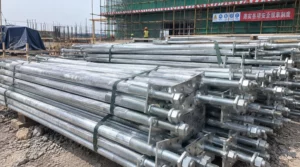
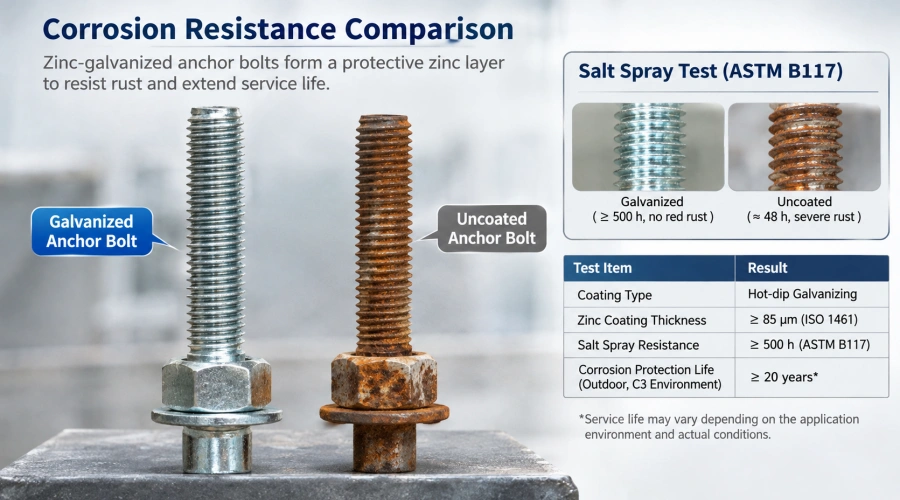
The process of hot-dip galvanizing consists of dipping the pretreated steel items into molten zinc at typical temperatures ranging from 445°C to 460°C. In this procedure, there is a reaction between zinc and steel, which produces the formation of zinc-iron alloys that act as protective layers.
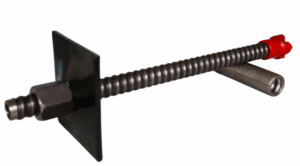
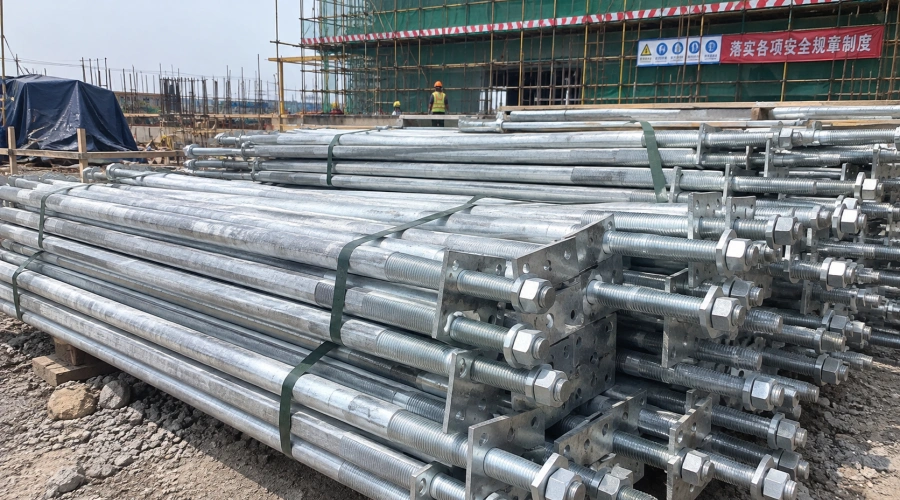
However, unlike the electro-galvanized coating, the galvanized coating in the hot-dip galvanization process is much thicker, making it ideal for use in outdoor environments where the metallic parts are subjected to changes in the surroundings and exposure to water. This is because the galvanized coating is necessary to protect the machines from corrosion. One of the machines that requires this type of galvanization is ONTONBOLT self-drilling anchor rods that have been hot-dip galvanized for corrosion resistance.
There are standards that prescribe the performance requirements of some hot-dip galvanized fasteners according to ASTM F2329/F2329M. But then again, the exact standard will depend on the characteristics of the particular product. In addition, the corrosion resistance of the galvanized anchor rods is dependent on several factors.
Electro-Galvanizing
Electro-galvanizing is a process that uses zinc to coat steel in electrochemical conditions.
The advantages of electro-galvanizing include the provision of smooth surfaces as well as thin film coatings compared to the hot-dip process under normal conditions. It can be used in situations where there are less harsh environments or where higher corrosion resistance.
2. What Affects the Rust Resistance of Galvanized Anchor Rods?
Two galvanized rods fabricated through the same process can corrode at different rates. This is because of environmental exposure, the condition of the coating, and damage during installation.
2.1 How Do Coating Thickness and Environmental Conditions Affect Corrosion?
Coating Thickness
With an increase in the thickness of the zinc coating, there will be a bigger source of protective material available, as far as the same conditions are considered. This implies that the rod having a zinc coating of 85 μm has more zinc in it compared to the other rod having a zinc coating of 45 μm. Nevertheless, life cannot be calculated in terms of coating thickness.
Environmental Exposure
Corrosion resistance of the galvanized anchor rods varies based on the environmental conditions in which they are used. Several environmental factors may cause corrosion of the zinc coating:
• Outdoor: The presence of moisture, rainfall, and contaminants in the air may affect the rate of corrosion of the zinc coating.
• In near-coastal regions: Deposition of chlorides may increase the corrosion rate.
• Industrially polluted environment: Air pollution by sulfur dioxide may increase the corrosion rate.
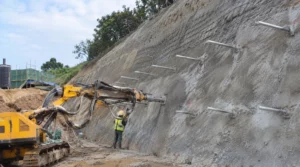
• Subsurface environment: Soil pH, soil moisture, salt content, and electrical resistivity are among several other factors involved.
The atmospheric corrosivity level varies from C1 to CX as per the ISO 9223 classification. ISO 9223 helps in identifying the risk of corrosion in particular atmospheric conditions; however, it does not serve as an alternative to the corrosion assessment of the underground anchor rods.
2.2 Why Can Galvanized Anchor Rods Still Develop Rust?
Corrosion will occur in galvanized steel once the protective layer is depleted.
Gradual Zinc Depletion
Corrosion takes place on zinc while simultaneously protecting steel. Once the zinc coating is worn out to a certain extent, the formation of red rust on the steel starts.
Installation Damage
Damage sustained during transit, thread wear, cutting, and improper handling may strip away the zinc protection. In cases where large portions of damage are present, repair is necessary through a specified procedure.
Corrosion Through Continuous Exposures
Moisture, chloride presence, or aggressive soils may speed up the degradation process.
Two common corrosion appearances should also be distinguished:
| Appearance | Typical Cause | What It Indicates |
| White rust | Zinc corrosion products | Zinc coating deterioration |
| Red rust | Iron corrosion products | Corrosion of the steel substrate |
White rust does not necessarily indicate that the rod is no longer functioning to protect itself. With red rust, a closer look at the corroded spot becomes necessary.
2.3 How Do You Increase the Service Life of Galvanized Anchor Rods?
Increased service life can start by selecting the correct material and installing it properly.
Select The Correct Coating
Galvanizing should be done according to the anticipated surrounding in terms of whether there will be contact with air, earth, or groundwater.
Prevent Damage During Installation
Do not make any unnecessary shocks, rubbing, or cutting. In case of coating repairs, use zinc-based paints and coating materials that can be used according to the applicable specifications.
Inspection of Exposed Items
Look out for wear and tear of the coating and red rust on exposed threads, rod ends, and connections.
These areas might be hard to inspect since they are either covered or embedded in concrete. In such situations, the significance of employing corrosion-resistant materials in the design phase takes a lot of importance. Finally, galvanization does not render the design specifications of the structure redundant.
Conclusion
Zinc-coated anchor rods are seen as being very economical in terms of their roles as protective shields and also as sacrificial metals. Hot-dip galvanized zinc is recognized as a good protector of all the structural steel components put outside; however, the zinc coating is not forever lasting. Various factors affect the efficiency of zinc coating.
0