Energy security remains vulnerable to geopolitical issues, unstable oil prices, and logistical problems in 2026. Disruptions may happen anywhere from oil routes in the Middle East to liquefied natural gas markets in Asia and have global economic consequences.
Countries are not equally susceptible to energy risks. While some countries benefit from energy diversity and cost savings, others are dependent on imports and cannot cope with price fluctuations.
Which countries are most exposed to energy risks, and why?
1. What Is Driving the Global Energy Crisis in 2026?
The factors contributing to energy insecurity include geopolitical risks, fluctuating prices, and infrastructure problems, among others.
1.1 How Do Geopolitical Tensions Threaten Energy Supplies?
The international trade of oil and gas needs secure shipping lanes.
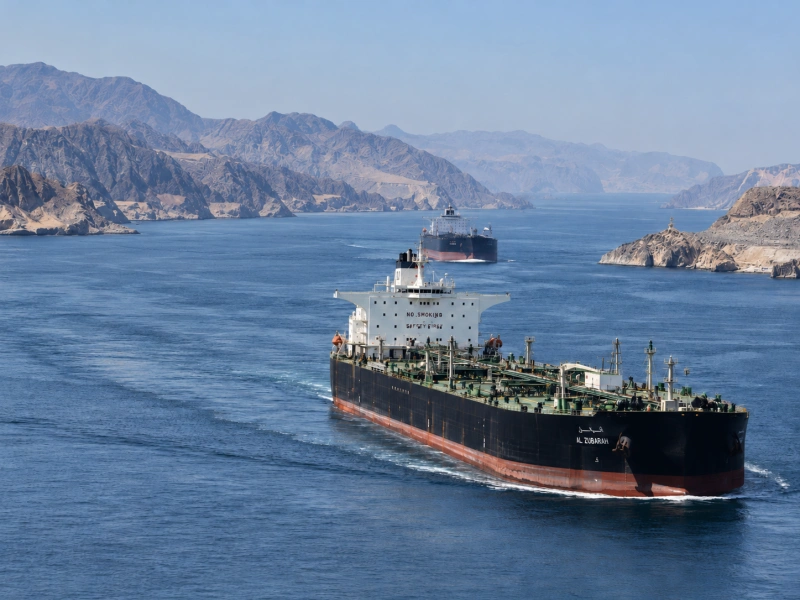
One of these shipping lanes is the Strait of Hormuz. As per the U.S. Energy Information Administration (EIA), about 20 million barrels of petroleum liquids have been transported daily through the strait in 2024, amounting to one-fifth of world consumption. Possible disturbances in transportation might lead to increased insurance prices and uncertainty without a disruption in the supply chain. On the other hand, alterations in Russian energy exports and Europe’s new strategies for gas procurement, along with maritime safety issues, impact international trade.
1.2 Why Do Energy Prices and Import Dependence Matter?
Energy dependency does not in any way imply an energy insecurity condition. More issues should also be taken into account, such as sustainability, energy source diversity, and infrastructure. In this situation, you can focus your attention on the country that imports 10 million barrels of crude oil per year. If the price of a barrel grows by $10, then import expenses increase by $100 million per year.
The three key elements of energy insecurity are:
• Energy availability: Does the country have access to an adequate energy supply?
• Energy affordability: Are there ways to cope with rising costs?
• Resistance of infrastructure to threats: Is the energy supply infrastructure resilient?
2. Which Countries Are Most at Risk in the Global Energy Crisis 2026?
Five states can be seen as examples of countries facing energy security issues. These examples do not necessarily mean that they are the five most exposed economies in the world.
2.1 Pakistan, Bangladesh, and Sri Lanka: Cost of Imports and Financial Stress
Pakistan
The problems that Pakistan is facing include those concerning the cost of fuel importation, cost pressures on the electricity sector, and transmission and distribution losses. Increased prices of oil or LNG in the international market may increase the cost of fuel importation and put more pressure on electricity pricing. Better management of grid losses and finances will increase its resilience.
Bangladesh
Natural gas is one of the primary inputs for both power production and industry in Bangladesh. The import of LNG is aimed at supplementing domestic resources. An increase in LNG prices and any issues arising during the process of importing it can increase production costs and hamper electricity production. Energy conservation is the primary goal.
Sri Lanka
The dependence of Sri Lanka on petroleum products from abroad exposes it to fluctuations in global oil prices and foreign exchange rates. High fuel prices may have an impact on transport services, power generation, and households. Renewable energy generation and improved grid stability may decrease certain risks.
2.2 Japan and Egypt: Different Energy Security Challenges
Japan
The supply of fossil fuels in Japan is minimal since they depend on imported oil and natural gas. Hence, the global prices of liquefied natural gas, the safety of transport, and exchange rates affect the prices of energy in Japan. Nevertheless, the existing infrastructure in Japan sets it apart from other developing countries.
Egypt
While Egypt extracts natural gas, fluctuations in domestic production levels and higher consumption levels, along with the need for electricity during certain seasons, can pose a problem for the country. If domestic production fails to satisfy demand, then further fuel imports will put even more strain on foreign currency reserves.
2.3 How Do Energy Crisis Risks Compare Across Countries?
| Country | Main Vulnerability | Potential Impact | Priority Response |
| Pakistan | Fuel costs and power-sector finances | Higher tariffs, supply pressure | Grid reform |
| Bangladesh | Gas supply and LNG imports | Higher industrial costs | Supply diversification |
| Sri Lanka | Oil imports and currency exposure | Fuel price volatility | Renewables and grid upgrades |
| Japan | Imported fossil fuel dependence | Higher procurement costs | Energy diversification |
| Egypt | Domestic gas supply balance | Fuel and foreign exchange pressure | Efficiency improvements |
These differences demonstrate why import dependence alone cannot determine national energy security.
3. How Can Countries Reduce Global Energy Crisis Risks?
Minimizing vulnerability requires supply security along with a longer-term investment in more resilient energy system infrastructure.
3.1 Can Renewable Energy and Storage Improve Energy Security?
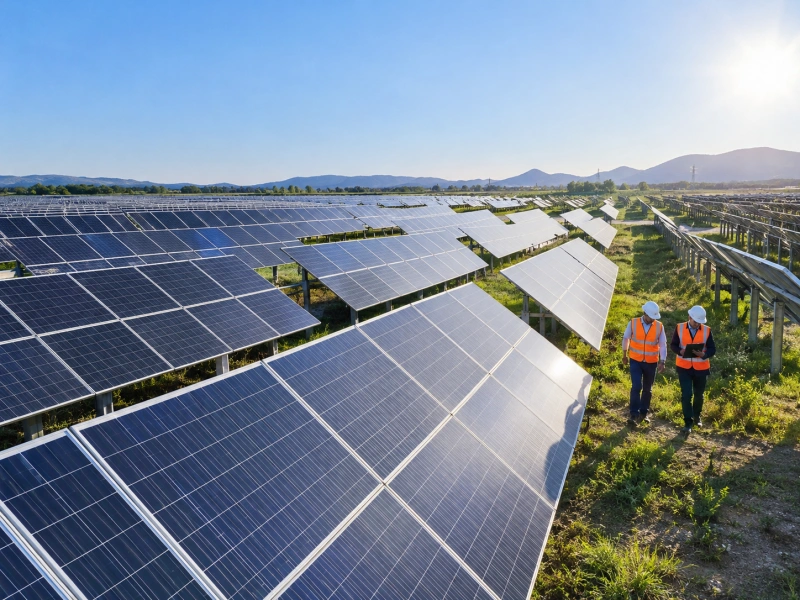
Solar and wind energy can help reduce dependency on foreign fuel sources for power production. Battery storage can help move electricity from times when there is plenty of production to times when demand is high.
However, renewable energy production is weather-dependent, and battery storage is limited. Thus, a reliable system needs investments in all these areas.
3.2 What Policies Can Strengthen Long-Term Energy Security?
Four approaches will be useful for nations to deal with future disruptions:
Diversification of Energy Imports
Utilize many suppliers, modes of transportation, and procurement techniques.
Establishment of Strategic Reserves
Keep adequate reserves of energy depending on the consumption pattern and availability of fuel in each nation.
Modernization of Power Grids
Minimize power transmission losses and make the grid system more robust and flexible to climatic disturbances.
Increase in Energy Efficiency
Upgrade the machines and equipment used in industries and houses.
Energy policy must maintain a healthy balance between reliability, economics, and environmentalism.
Conclusion
Global energy risks in 2026 are a result of a blend of geopolitical risks, the cost of imports, domestic availability of energy, and infrastructure constraints. Different examples can be seen in the case of Pakistan, Bangladesh, Sri Lanka, Japan, and Egypt, but none of these can be considered a global energy risk ranking.
In the end, it may be found that those countries which are well-prepared to deal with future energy shocks are not necessarily the ones which have maximum energy sources. Instead, those countries that have diverse energy sources, strong infrastructure, and good risk management techniques.
0