Rapid industrialization and urbanization, along with technological advancements in the field of digitization, have brought about an increase in the demand for energy at an unparalleled pace. In addition, the world is faced with problems such as cost concerns, exhaustion of resources, and the carbon footprint in the energy sector. Thus, energy efficiency is an important concept to address energy consumption and sustainable development.
According to the International Energy Agency (IEA), energy efficiency measures can contribute to 40% of the required emissions reductions towards meeting global climate goals by the year 2050. Starting from efficient buildings to energy-efficient industrial equipment and energy management systems, energy efficiency has now turned out to be more than an environmental problem; it has become an economic problem too.
Rising Energy Demand Drives the Need for Efficiency
Electrical energy consumption continues to increase worldwide due to industrial development, usage of electric vehicles, and increasing dependence on digital infrastructure. There is also an increasing consumption of energy-consuming equipment such as data centers and artificial intelligence systems.
However, increased generation of energy will not solve all future issues. There is an attempt to minimize unnecessary losses of energy by many countries.
The major drivers of the energy efficiency demand are:
- Industrial expansion: Factories use massive amounts of electricity to power machines, heating, cooling, and production activities. By increasing energy efficiency, costs can be greatly reduced.
- Urban development: Buildings make up around 30% of the world’s total energy usage; thus, efficient lighting, insulation, heating, ventilation, and air-conditioning become imperative.
- Energy security concerns: Energy savings mean that a nation will rely less on imported energy resources.
- Climate commitments: Increased energy efficiency leads to fewer greenhouse gas emissions as it decreases energy consumption.
Energy Efficiency Supports Economic Benefits
Energy efficiency can be one of the most economical strategies for dealing with energy issues. Compared with constructing new power stations, energy efficiency allows for savings without the need for new energy resources.
In the case of companies, energy-efficient measures can lead to increased profits. It is possible to save on electricity bills and on the costs of maintaining machines.
| Sector | Energy Efficiency Measures | Potential Benefits |
| Manufacturing | High-efficiency motors, automated control systems, waste heat recovery | Lower production costs and improved productivity |
| Buildings | LED lighting, smart HVAC systems, improved insulation | Reduced energy bills and better indoor comfort |
| Transportation | Electric vehicles, lightweight materials, optimized logistics | Lower fuel consumption and emissions |
| Data Centers | Efficient cooling systems and power management | Reduced electricity demand |
For instance, installing an LED system in place of conventional lighting would result in up to a 70% reduction in electrical power usage and an increase in the life of machinery. Moreover, industrial motors fitted with variable speed drives can consume up to 50% less power than conventional systems.
Technology Is Accelerating Energy Efficiency Improvements
The emergence of technologies is making energy efficiency much easier to attain. Today, energy systems are becoming highly automated and intelligent, involving real-time monitoring and analysis of energy use.
With intelligent energy management systems, it is possible for businesses and individuals to measure energy usage, identify any wastage, and regulate the system for energy savings. In offices, intelligent sensors can regulate lighting and heating depending on occupancy.
Several technologies are shaping the future of energy efficiency:
Smart Grids
Smart grids employ digital communication technology for better distribution of electricity. They aid in matching supply and demand, integrating renewable energy sources, and minimizing transmission losses.
Energy-Efficient Appliances
Modern equipment such as refrigerators, air conditioners, and heat pumps is built in a way that it can give an equivalent service using less power. In the case of heat pumps, they can produce three to four times more heating energy compared to the electricity used.
Industrial Automation
Factories have started using automated production processes that are optimized for energy consumption. Sensory technology and robotics contribute to minimizing the unnecessary running of machines and optimizing their performance.
Energy Efficiency and Renewable Energy Work Together
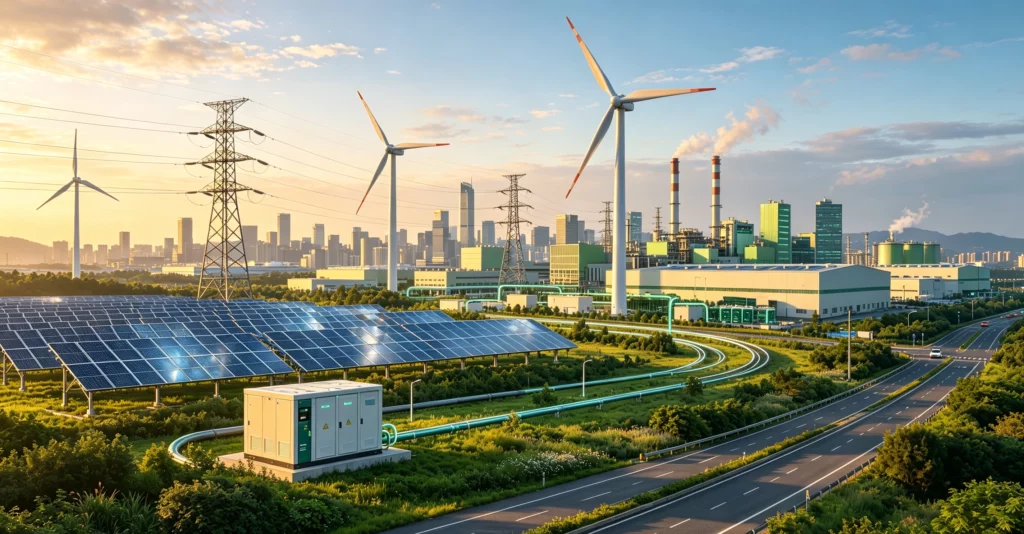
Renewable energy production and energy efficiency are very much linked together. As solar, wind, and other forms of renewable energy increase the supply of electricity, energy efficiency measures lower the demand for energy.
Energy efficiency means that greater amounts of electricity generated from renewables can be used to satisfy higher energy demands. In simple terms, less energy will be required in buildings because of proper insulation and efficient electrical devices.
The combination of renewable energy and efficiency creates a more reliable energy structure:
| Approach | Main Function | Impact |
| Renewable Energy | Produces clean electricity | Reduces dependence on fossil fuels |
| Energy Efficiency | Reduces unnecessary consumption | Lowers energy demand and costs |
| Energy Storage | Balances supply fluctuations | Improves reliability of renewable systems |
Governments and Industries Are Increasing Investment
Numerous governments have also implemented various policies aimed at fostering efficiency. These policies include building efficiencies, energy regulations for industries, economic incentives, and research and development of new technologies.
For instance, energy efficiency goals have been set in the climate policy of the European Union. The efficiency efforts in the USA concentrate on building efficiencies, industrial efficiencies, and energy technologies.
Organizations and firms are also beginning to realize the importance of energy efficiency in enhancing their competitive advantage. Organizations that reduce energy use will be able to control costs and ensure compliance with sustainability standards.
Challenges in Expanding Energy Efficiency
However, despite its strengths, there are still certain obstacles that can impede its implementation. The high cost of initial investment, lack of technical know-how, and aged infrastructure pose difficulties for its implementation, particularly in underdeveloped parts of the world.
Smaller companies might not be interested in purchasing new machinery due to high costs, regardless of substantial savings in the long run. Furthermore, the renovation of existing buildings and factories is sometimes needed in order to obtain higher energy efficiency.
This problem needs a joint effort from governments, tech companies, banks, and users themselves to be resolved.
The Future of Global Energy Efficiency
Efficiency in energy usage will remain vital in the energy revolution of the world in the future. With the increase in the need for energy, efficiency will become a necessity in order to maintain a balance between economic development and the environment.
Future energy systems will incorporate renewables, smart energy usage, efficient energy technologies, and energy storage technologies. Energy-efficient energy systems will be applied across all sectors, from industrial production to home energy use, in order to avoid wastage of energy and create a sustainable energy system.
Efficiency in energy usage systems has grown beyond being a technique to save energy and has now become a way to ensure energy security and economic growth.
0