In the competitive world of packaging, can sealing machines are essential for ensuring that cans are securely sealed for preservation, safety, and transportation. With the growing demand for efficiency, precision, and durability in the manufacturing process, modern can sealing machine manufacturers have integrated advanced technologies into their equipment. This article explores the key technologies used by these manufacturers to enhance the functionality and reliability of can sealing machines.
1. Automation and Robotics
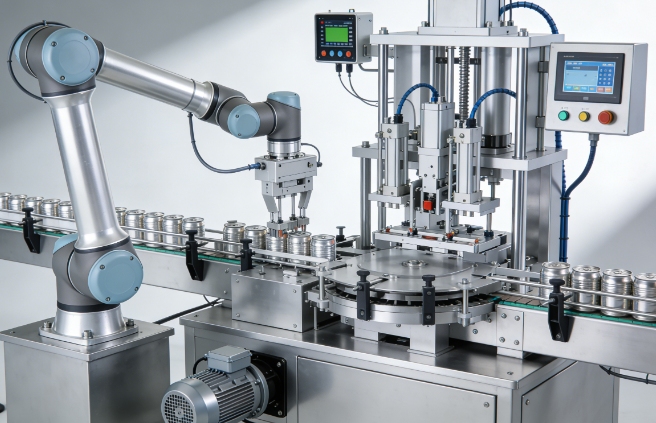
One of the most significant advancements in the can sealing industry is the implementation of automation and robotics. These technologies allow manufacturers to achieve high-speed production while minimizing human error.
- Robotic Arm Technology: Modern can sealing machines often incorporate robotic arms to handle and position cans with high precision. This reduces manual labor and ensures consistent placement for sealing.
- Automated Sealing Process: Automation streamlines the entire sealing process, from loading cans to sealing and even unloading. By using programmable logic controllers (PLCs), manufacturers can program specific sealing parameters and adjust them in real-time based on production needs.
2. Digital Sensors and Monitoring Systems
Can sealing machines now feature advanced digital sensors that monitor key parameters such as pressure, temperature, and torque during the sealing process.
- Torque Sensors: These sensors measure the force applied to the can lid during sealing, ensuring that the correct amount of pressure is applied to maintain an airtight seal without damaging the can or lid.
- Temperature Monitoring: Accurate temperature control is crucial in the sealing process, particularly for cans with heat-sensitive contents. Modern machines use thermal sensors to regulate and monitor temperatures throughout the sealing process.
- Real-Time Data Feedback: With integrated sensors, manufacturers can receive immediate data feedback, which allows for quick adjustments if deviations are detected. This helps in maintaining high-quality standards during production.
3. Advanced Material Handling Systems
The quality of materials used in the machines is as important as the machines themselves. Modern sealing equipment utilizes advanced material handling systems to enhance machine efficiency and durability.
- Precision Feeding Systems: These systems ensure that cans are fed into the machine with minimal risk of damage or misalignment. Automated feeding mechanisms reduce manual intervention and increase throughput.
- Durable Materials: To ensure machines can withstand high-frequency operations, manufacturers use high-grade, wear-resistant materials for the critical parts of the machine. This not only extends the machine’s lifespan but also reduces maintenance needs.
4. Advanced Control Systems
The evolution of control systems has allowed for more precise and efficient management of can sealing machines.
- Programmable Logic Controllers (PLCs): PLCs are integral in controlling the operation of sealing machines. They allow for easy customization of the machine’s functions and enable real-time adjustments for different sealing parameters based on the type of can or product being sealed.
- Touchscreen Interfaces: Modern machines feature user-friendly touchscreen interfaces that provide operators with real-time information on machine status, production rates, and any potential issues. This enhances operational efficiency and reduces downtime by allowing operators to quickly identify and resolve problems.
5. Eco-Friendly and Energy-Efficient Technologies
As sustainability becomes increasingly important, many companies are adopting eco-friendly technologies to reduce energy consumption and improve the environmental performance of their machines.
- Energy-Efficient Motors: Modern sealing machines are equipped with energy-efficient motors that reduce power consumption without compromising performance. This helps manufacturers lower operating costs while contributing to a more sustainable production process.
- Eco-Friendly Sealing Materials: Companies are exploring the use of eco-friendly sealing materials and recyclable can lids, aligning with the growing trend toward sustainable packaging solutions.
Conclusion
The integration of cutting-edge technologies has transformed the can sealing industry, allowing manufacturers to increase productivity, improve product quality, and reduce costs. Automation, advanced sensors, robust material handling systems, and energy-efficient technologies have become essential components of modern can sealing machines. By leveraging these innovations,can sealing machine manufacturers can meet the demands of a fast-paced, high-quality packaging market. These advancements are not only enhancing the sealing process but also driving sustainability and cost-effectiveness in production.
0