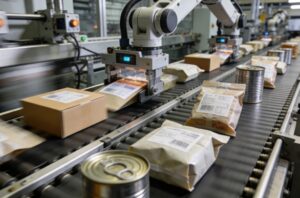
Manual labeling has been a staple in many industries, but it comes with a variety of challenges, from human errors to inefficiency. In an era where production efficiency and accuracy are key to staying competitive, many businesses are turning to automatic labeling systems to address these issues. But can these systems truly resolve all the problems associated with manual labeling? In this article, we’ll explore the advantages of automatic labeling systems and how they can overcome the challenges of manual labeling.
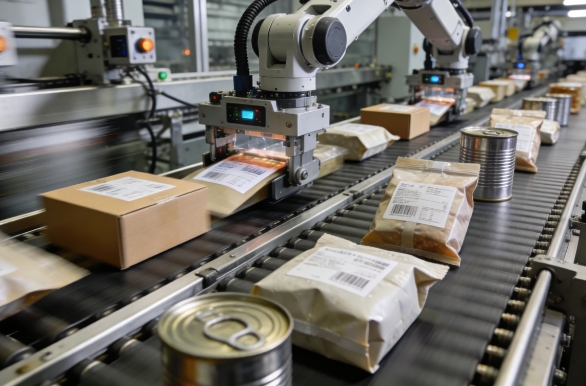
1. Reducing Human Error in Labeling
Manual labeling is prone to mistakes, often leading to costly errors such as incorrect labeling, missed labels, or misplaced tags. These errors can be frustrating and expensive, especially when dealing with high volumes of products.
Automatic labeling systems can help to significantly reduce human error:
- Precise Placement: Sensors and cameras in the system ensure that labels are applied accurately every time.
- Consistency: Automatic systems maintain the same high level of accuracy without fatigue, providing consistent results across every batch.
- Faster Processing: By operating quickly and continuously, automatic systems reduce the risk of mistakes made due to rushed or inconsistent manual processes.
2. Increasing Production Efficiency
In industries with large production volumes, manual labeling can become a bottleneck, slowing down the entire production line. This can lead to delays, higher labor costs, and missed deadlines.
Automatic labeling systems can greatly increase production efficiency:
- Higher Speed: These systems can apply labels much faster than human workers, speeding up the packaging process.
- Non-stop Operation: Automatic systems run continuously without the need for breaks, reducing downtime and maximizing productivity.
- Flexible Speed Settings: Most systems can be customized for different products, ensuring that they maintain optimal speed without compromising accuracy.
3. Cost Reduction in the Long Term
Although automatic labeling systems come with an upfront investment, they can save businesses significant amounts of money over time. Manual labeling requires constant labor and oversight, which leads to recurring expenses.
Long-term cost savings with automatic systems:
- Reduced Labor Costs: By automating the labeling process, companies can cut back on manual labor, reducing the need for additional staff.
- Minimized Waste: The precision of automatic labeling systems helps to reduce product waste caused by incorrect labeling or damaged goods.
- Less Rework and Errors: Errors in manual labeling can lead to expensive recalls, waste, and rework. An automatic system prevents these issues, saving costs related to rework and product returns.
4. Improved Labeling Accuracy and Compliance
Manual labeling can sometimes fail to meet regulatory standards, leading to compliance issues and potential fines. Industries such as pharmaceuticals, food, and cosmetics have strict labeling requirements, and failure to comply can damage a company’s reputation.
How automatic systems ensure accuracy and compliance:
- Regulatory Compliance: Automatic labeling systems can be programmed to meet specific labeling requirements, ensuring that each label is applied correctly and complies with industry standards.
- Enhanced Readability: The labels applied by automated systems are consistently aligned and legible, ensuring that important information is easy to read.
- Fewer Mistakes: The precision and automation reduce the risk of compliance issues, such as incorrect dosage information or missing ingredient details, which can be costly and damaging to a brand’s reputation.
5. Flexibility and Versatility in Labeling
Manual labeling can be slow and cumbersome, especially when dealing with a wide variety of packaging sizes, shapes, and materials. Different product types may require different types of labels, adding further complexity to the process.
Automatic labeling systems offer versatility:
- Variety of Label Sizes and Materials: These systems can handle a wide range of label types, from small stickers to large adhesive labels, making them suitable for multiple products.
- Adaptable to Different Shapes: Whether it’s round bottles, rectangular boxes, or irregularly shaped products, automatic systems can apply labels accurately to almost any type of packaging.
- Easy Adjustments: Automatic systems can be quickly adjusted to accommodate new products, making them highly adaptable to changing production needs.
Conclusion
In conclusion, while manual labeling can still be suitable for smaller-scale production runs, automatic labeling systems provide a far superior solution for large-scale, high-speed operations. These systems reduce human error, increase efficiency, and offer long-term cost savings. They also improve labeling accuracy and ensure compliance with industry regulations.
For businesses looking to enhance their production capabilities and maintain a competitive edge, investing in an automatic labeling system is a smart move. Automation not only solves the common challenges of manual labeling but also boosts overall productivity, product quality, and customer satisfaction.
0