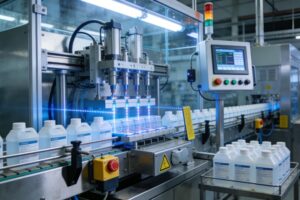
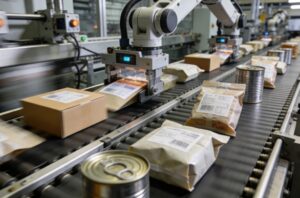
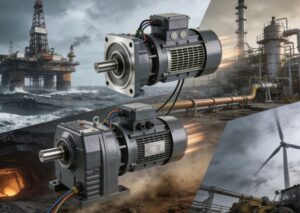
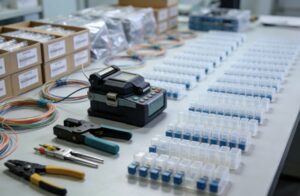
In the chemical industry, safety and regulatory compliance are not optional—they are critical to protecting workers, consumers, and the environment. As production scales and product diversity increase, businesses must rely on advanced chemical packaging equipment to handle hazardous materials with precision and reliability. From preventing leaks to ensuring accurate labeling, modern systems are designed to meet strict industry standards while improving operational efficiency. Understanding how these machines contribute to safety and compliance can help manufacturers make informed decisions and maintain a competitive edge.
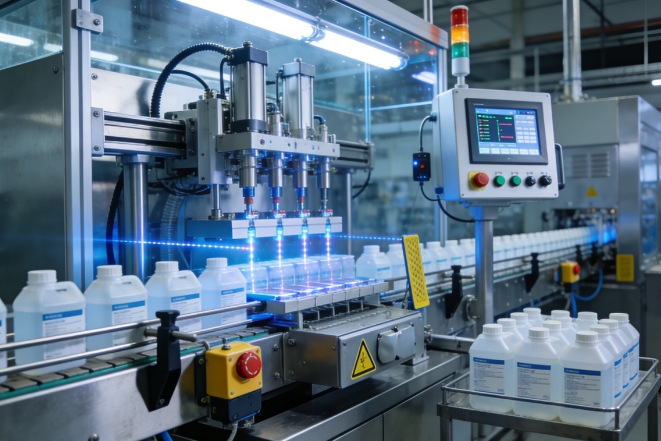
Advanced Sealing and Leak Prevention Technologies
One of the most important roles of chemical packaging equipment is to prevent leaks and contamination during and after the packaging process. Chemical substances can be volatile, corrosive, or toxic, making secure sealing essential.
- High-precision sealing systems: These machines use heat sealing, ultrasonic sealing, or induction sealing to create airtight closures, minimizing the risk of leakage even under pressure or temperature changes.
- Automated inspection mechanisms: Integrated sensors detect imperfect seals in real time, allowing defective packages to be rejected before leaving the production line.
- Material compatibility: Equipment is designed to work with specialized packaging materials such as corrosion-resistant plastics or coated metals, ensuring long-term containment of aggressive chemicals.
Accurate Dosing and Filling for Hazard Control
Precise measurement is crucial in chemical packaging, as overfilling or underfilling can lead to safety hazards and regulatory violations. High-quality chemical packaging equipment incorporates advanced filling technologies to ensure consistency.
Firstly, automated dosing systems utilize flow meters and weight-based controls to deliver exact quantities of liquid, powder, or granular chemicals. This reduces the risk of spills and ensures product uniformity.
Secondly, closed-loop filling environments minimize human exposure to hazardous substances, improving workplace safety.
Finally, modern machines can handle a wide range of viscosities and chemical properties, making them adaptable to different production needs while maintaining strict accuracy standards.
Compliance with Industry Regulations and Standards
Regulatory compliance is a major concern for chemical manufacturers, and chemical packaging equipment plays a key role in meeting these requirements.
- Built-in compliance features: Equipment is often designed to comply with international standards such as ISO, GMP, and environmental regulations, ensuring that every package meets legal requirements.
- Traceability systems: Advanced machines include data recording and tracking functions, enabling manufacturers to monitor production batches and quickly respond to recalls if necessary.
- Standardized labeling integration: Packaging systems ensure that hazard warnings, usage instructions, and regulatory labels are applied correctly and consistently.
Enhanced Worker Safety and Automation
Automation significantly reduces the risks associated with manual handling of chemicals. Modern chemical packaging equipment integrates safety-focused features to protect operators.
To begin with, robotic handling systems limit direct human contact with hazardous substances, lowering the chances of exposure or accidents. In addition, enclosed processing environments with ventilation and filtration systems help control fumes and airborne particles. Furthermore, emergency stop functions and safety interlocks ensure that machines can be quickly shut down in case of abnormal conditions. These features collectively create a safer working environment while maintaining high productivity.
Smart Monitoring and Quality Control Systems
With the rise of Industry 4.0, chemical packaging equipment is becoming increasingly intelligent, offering real-time monitoring and data-driven quality control.
For example, sensors and IoT-enabled devices continuously track parameters such as temperature, pressure, and filling accuracy. Any deviation from preset standards triggers immediate alerts, allowing operators to take corrective action. Additionally, machine learning algorithms can analyze historical data to predict maintenance needs, reducing unexpected chemical packaging equipment downtime. This level of control not only enhances product quality but also ensures ongoing compliance with strict safety regulations.
Conclusion
In today’s highly regulated and safety-conscious chemical industry, investing in reliable chemical packaging equipment is essential for sustainable growth. By incorporating advanced sealing technologies, precise filling systems, regulatory compliance features, and intelligent monitoring capabilities, these machines help manufacturers minimize risks and maintain consistent quality. Ultimately, the right equipment not only ensures safety and compliance but also improves efficiency, reduces costs, and strengthens a company’s reputation in a competitive market.
0