In the modern packaging industry, a bottle filling and capping machine has become an essential piece of equipment widely used in the manufacturing of beverages, pharmaceuticals, cosmetics, personal care products, and other liquid products. Many companies face a common challenge during production: can a single machine handle bottles of different sizes, shapes, and capacities? This article explores this question in detail from technical, practical, and operational perspectives.
1. Key Factors for Multi-Bottle Size Adaptability
The ability of a bottle filling and capping machine to handle multiple bottle sizes largely depends on its design and flexibility.
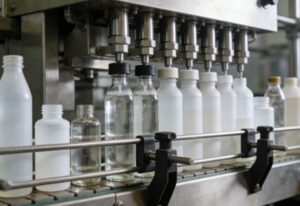
- Adjustable filling heads and capping devices: Bottles vary in height, diameter, and neck size. Machines equipped with modular or height-adjustable filling heads and capping devices can be precisely adjusted to fit different bottle sizes. This ensures accurate liquid filling and reliable capping, avoiding issues such as spillage or loose sealing caused by bottle variation. Some advanced machines even feature automatic sensing systems that adjust filling volumes and capping pressure when switching bottle types, significantly improving production efficiency.
- Guide system design: Stability during bottle transportation is crucial, especially in high-speed production. Properly designed guides, rails, and clamps ensure that bottles remain upright and do not collide during filling, capping, or conveying. The flexibility of the guide system directly impacts the number of different bottle sizes the machine can effectively handle.
- Intelligent control systems: Modern machines are often equipped with programmable logic controllers (PLCs) and touchscreen interfaces. Operators can pre-set parameters for different bottle types, allowing quick production line switches without manual adjustments. This intelligent control not only simplifies operation but also guarantees consistent filling accuracy and capping quality, supporting multi-bottle size production.
2. Advantages of Using a Multi-Bottle Size Machine
Choosing a bottle filling and capping machine capable of handling multiple bottle sizes provides clear production and economic benefits.
- Enhanced production flexibility: Companies do not need to purchase separate machines for each bottle size. One multi-functional machine can handle various bottles, making it ideal for businesses with diverse product lines or frequently changing product specifications. This flexibility allows rapid adaptation to order variations, boosting overall production efficiency.
- Cost savings: Multi-bottle machines reduce investment costs, maintenance, and spare parts management compared to multiple single-size machines. Fewer machines also reduce floor space requirements, and the lower maintenance workload decreases labor and operational expenses.
- Market adaptability: Consumers demand diverse packaging options. A machine capable of quickly switching between different bottle types allows businesses to launch new products or meet special packaging needs without redesigning the production line. This adaptability enhances competitiveness and strengthens brand responsiveness in a dynamic market.
3. Important Considerations
Although multi-bottle filling and capping machines offer significant advantages, attention to operational details is essential to maintain efficiency and product quality.
- Follow proper switching procedures: Adjusting the machine must strictly follow the operating manual and safety guidelines to ensure correct filling volume, capping pressure, and bottle positioning. Improper adjustments may lead to inconsistent filling, loose caps, or bottle damage. While some advanced machines have automatic calibration features, operators should still perform necessary checks and verifications.
- Evaluate large bottle size differences: Modern machines can accommodate multiple bottle sizes, but if bottle height, diameter, or material varies significantly, separate production lines may be required to maintain accuracy and sealing quality. For example, glass and plastic bottles differ in weight and heat resistance, requiring different conveyor speeds and clamp designs. Failing to account for these differences can cause tipping or breakage. Therefore, careful evaluation of the bottle size range is crucial when selecting equipment.
Conclusion
Overall, modern bottle filling and capping machines with adjustable design, intelligent controls, and optimized guide systems can handle multiple bottle sizes, meeting the needs of companies for production flexibility and cost efficiency. However, when bottle size differences are substantial, careful assessment of the machine’s suitability and production efficiency is still necessary. Proper selection and use of multi-bottle machines can enhance production efficiency and strengthen a company’s competitiveness in a diverse market, creating long-term value for business growth.
0